Odisha paid state-level homage on Tuesday to Kabibar Radhanath Ray, the 19th-century poet who gave modern Odia verse its landscape, lyricism and public voice.
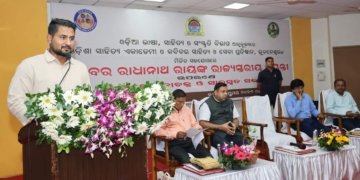
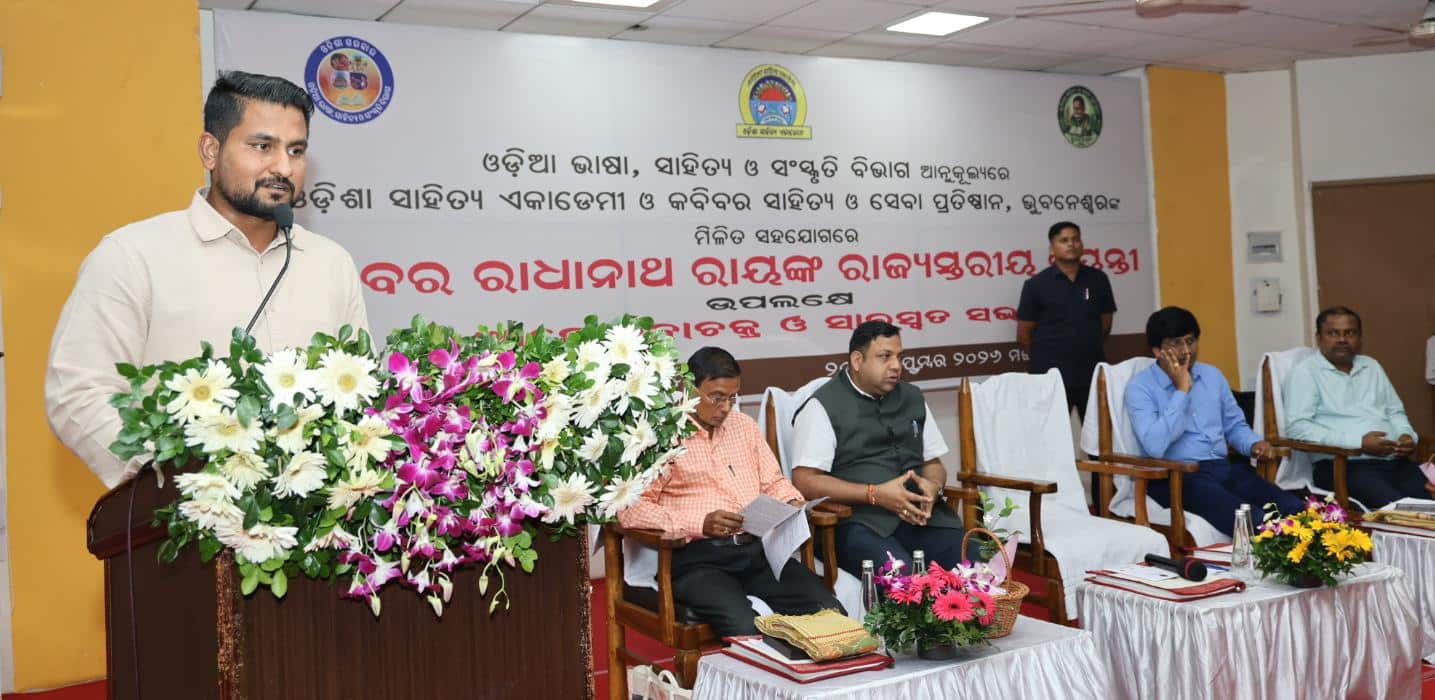
The celebration was held at Gita Gobinda Sadan and organised jointly by the Odisha Sahitya Akademi and Kabibar Sahitya O Seva Pratisthan under the Department of Odia Language, Literature and Culture.
Culture Minister Suryabanshi Suraj attended as chief guest. In his address, he said Radhanath Ray’s life and poems remain a living source of inspiration. The minister urged young writers to draw from the poet’s discipline, imagination and love for the Odia language.
“In Kabibar’s creative work we find a rare harmony of Utkaliyata and Indianness,” Suraj said. “He gave expression to Odia identity in his poetry, linked the local with the wider world, and breathed life into what seemed lifeless.” Paying tribute, he added that Radhanath Ray’s writings should continue to guide the next generation.
Born on September 28, 1848, at Kedarpur near Sora in present-day Baleshwar district, Radhanath Ray is remembered as one of the founding figures of modern Odia literature. Works such as *Chilika* and *Kedara Gauri* brought Odisha’s rivers, lakes, legends and people into a new poetic idiom. He is honoured with the title Kabibar — “the blessed poet.”
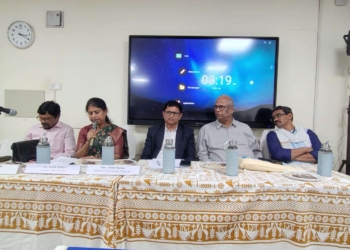
The programme included a literary assembly and a discussion titled “Literature in Newspapers Yesterday and Today.” Speakers included Soumya Ranjan Patnaik, founder and former editor of *Sambad*; Gopalkrishna Mahapatra, editor of *Prameya*; Pradyumna Satpathy, editor of *Subarta*; Prof. Dr Adikanda Sahu; Prof. Dr Sanghamitra Mishra; and Rajeev Kumar Sadangi, general secretary of Utkal Sahitya Samaj.
Also present were Odisha Sahitya Akademi secretary Dr Chandra Shekhar Hota; Deb Narayan Sethi, secretary of Kabibar Sahitya O Seva Pratisthan; president Gopinath Barik; and writer-researcher Dr Arabinda Giri.
The gathering underlined a simple claim that still travels well: Radhanath Ray did not merely describe Odisha. He made its places, myths and emotions speak — and, as the minister put it, gave life where there had been none.