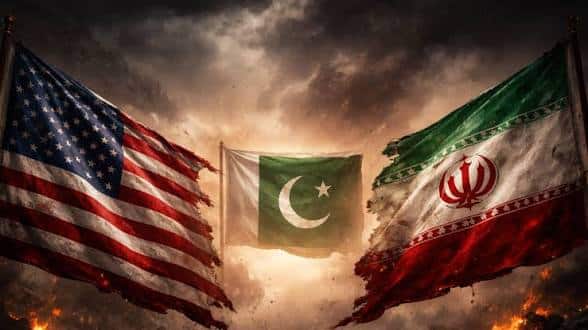
The proposed high-level talks between Iran and the United States in Islamabad are facing fresh uncertainty, as Tehran has indicated that negotiations may not proceed under current conditions. The development comes amid rising tensions in Lebanon, which Iran has cited as a key concern.
Talks in Doubt Amid Conflicting Signals
Recent reports from Iranian state-affiliated media have denied claims that an official delegation has travelled to Pakistan for the scheduled discussions. Senior leaders, including Foreign Minister Abbas Araghchi, are reportedly still in Tehran, continuing their official duties.
Iranian sources have stated that negotiations will remain on hold unless commitments related to the ceasefire in Lebanon are fulfilled. The continued military activity in the region has complicated diplomatic efforts, raising questions about the timing and feasibility of the talks.
Background: Fragile Ceasefire and Regional Tensions
The planned discussions follow a temporary pause in direct hostilities between Iran and the United States after weeks of conflict. However, the broader regional situation remains volatile. Ongoing strikes in Lebanon have emerged as a major sticking point, with Tehran insisting that meaningful dialogue cannot proceed without de-escalation.
Who Was Expected to Attend
The United States delegation was expected to be led by Vice President JD Vance, alongside senior officials involved in earlier diplomatic efforts. On Iran’s side, top political and security representatives were anticipated to participate, although their presence now remains uncertain.
Key Issues on the Agenda
The talks were expected to address a wide range of strategic and security concerns. These include nuclear policy, sanctions relief, maritime access in critical waterways, and broader regional stability.
Both sides had reportedly exchanged proposals ahead of the meeting, indicating a willingness to engage despite longstanding differences.
Pakistan’s Role as Mediator
Pakistan has positioned itself as a neutral facilitator, leveraging its diplomatic ties with both nations. The country has taken extensive security and logistical measures in preparation for the talks, reflecting the significance of the proposed dialogue.
Despite the uncertainty, Islamabad continues to express readiness to host discussions and support efforts toward de-escalation.
Outlook
The situation remains fluid, with no official confirmation on whether the talks will proceed as planned. Analysts note that developments in Lebanon and broader regional dynamics will play a decisive role in shaping the next steps.
A successful dialogue could mark a significant shift toward stability, while further delays may prolong uncertainty in an already tense geopolitical environment.