
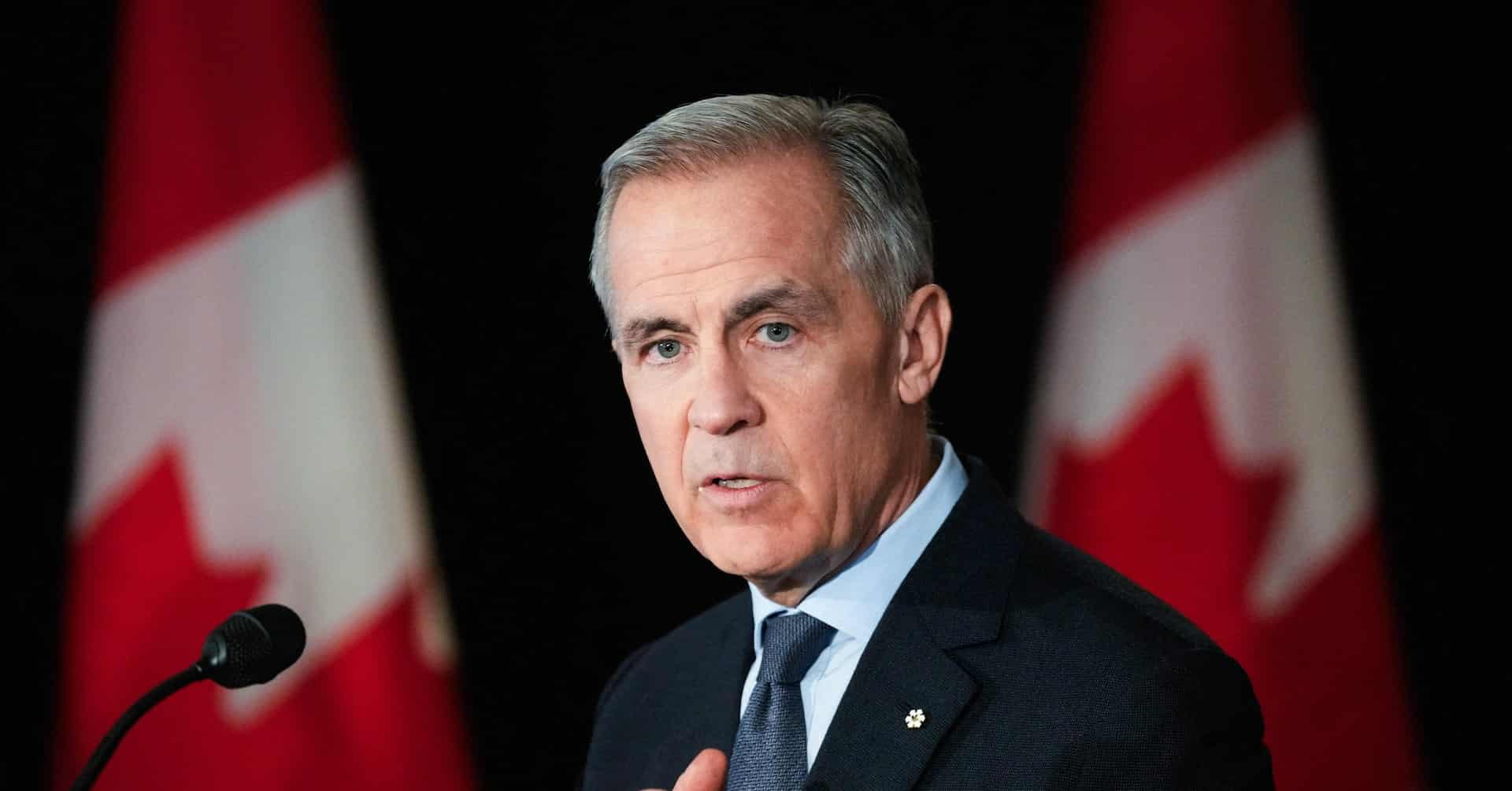
Canadian Prime Minister Mark Carney has indicated a major shift in Ottawa’s trade and foreign policy approach, citing growing unpredictability in the United States under former president Donald Trump’s administration. With Canada seeking to diversify its global partnerships, Carney is expected to visit India in March, aiming to strengthen bilateral trade ties after more than two years of strained relations.
Speaking in Canada’s House of Commons, Carney said the global landscape—particularly Washington’s approach to trade—has changed fundamentally. “The world has changed. Washington has changed. There’s almost nothing normal in the United States now,” he said in French, underlining Canada’s need to explore alternative economic partnerships.
Carney’s remarks followed his strong statements at the World Economic Forum in Davos, where he said the US-led rules-based international order was facing a “rupture, not a transition.” Emphasising the permanence of this shift, he added that the previous global framework was unlikely to return.
The Canadian Prime Minister later confirmed that he stood by his Davos comments during a recent phone call with Donald Trump, rejecting claims from the White House that he was softening his stance. “I meant what I said in Davos,” Carney told reporters in Ottawa, noting that Canada was among the first nations to respond to changes in US trade policy.
India Visit Amid Trade Reset
Carney’s anticipated India visit in early March is seen as part of Canada’s broader effort to reset ties with New Delhi. Relations had cooled during the tenure of former prime minister Justin Trudeau, but Carney has made repairing diplomatic and economic engagement with India a priority since assuming office.
The visit is expected to focus on expanding trade and investment cooperation and comes shortly before India presents its Union Budget for 2026–27. Canada’s renewed outreach also aligns with India’s growing role in global trade, particularly after New Delhi concluded a major agreement with the European Union.
India, facing significant tariff pressures from the United States, has also been moving to diversify its trade partnerships and reduce reliance on Washington. Despite reportedly cordial relations between Prime Minister Narendra Modi and Trump, India continues to face tariff-related challenges linked to its ties with Russia and energy imports from Moscow.