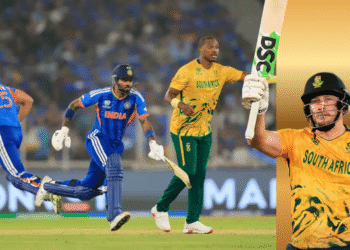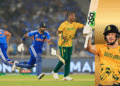

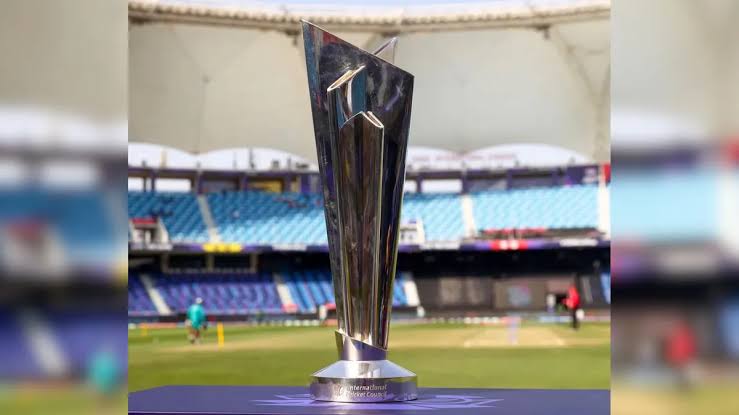
In a significant development ahead of the 2026 ICC Men’s T20 World Cup, Pakistan has decided to boycott their scheduled group-stage match against India on February 15. However, in compliance with international cricket regulations, Team India will continue with their travel plans to Sri Lanka and follow the full ICC protocol, sources from the Board of Control for Cricket in India (BCCI) confirmed.
India’s Commitment to ICC Schedule and Protocol
Despite Pakistan’s announcement to withdraw from the match, India’s cricket team will not alter their schedule. As per the established ICC protocol, Team India will proceed with their planned activities, including attending practice sessions, conducting a pre-match press conference, and traveling to Colombo’s SSC Cricket Ground on time. They will wait for the match referee’s decision regarding the match’s status.
A BCCI source shared, “Team India will adhere to the official schedule. They will attend practice as planned, participate in the press conference, and reach the stadium on time. They will wait for the match referee’s call regarding the potential cancellation or postponement of the match.”
Pakistan’s Decision to Boycott
The Pakistan government officially announced its decision to withdraw from the match against India. In a statement posted on X (formerly Twitter), the government confirmed that while Pakistan would participate in the ICC World T20 2026, it would not field a team for the match scheduled for February 15 against India. No specific reason for the decision was provided by the Pakistan Cricket Board (PCB) or the government.
India’s Form Ahead of the Tournament
India enters the 2026 ICC Men’s T20 World Cup in excellent form, having secured a dominant 4-1 series victory over New Zealand in their most recent T20I series. Historically, India has had the upper hand over Pakistan in ICC T20 World Cup encounters, with a 7-1 head-to-head record in their favor.
The T20 World Cup is set to run from February 7 to March 8, 2026, with matches taking place across both India and Sri Lanka.