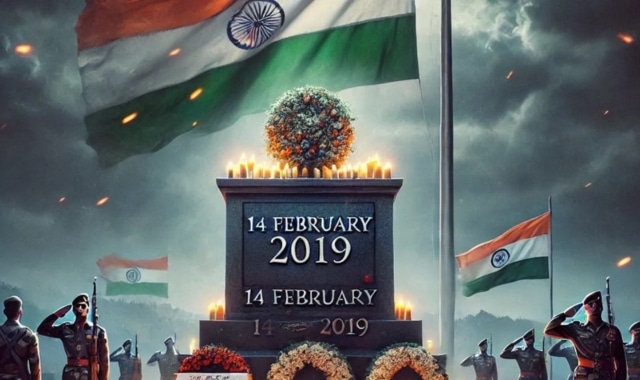
India marks Black Day on February 14 to honour the 40 CRPF personnel who lost their lives in the 2019 Pulwama terror attack.
The day highlights national unity and the country’s ongoing commitment to peace and security.
What Happened on February 14, 2019
A suicide bomber drove an explosives-laden vehicle into a CRPF convoy in Pulwama district, Jammu and Kashmir. The blast killed 40 personnel and injured many others. The attack triggered nationwide mourning, diplomatic tensions, and military responses that strained India-Pakistan relations.
Why It’s Called Black Day
Black Day signifies a profound national tragedy. India observes it to honour the martyrs, support their families, and reflect on the collective loss. Citizens hold moments of silence, candlelight vigils, and social media tributes. Schools and organisations host remembrance events to keep the memory alive.
National Tributes and Ceremonies
Leaders, security forces, and citizens pay homage at memorials with floral wreaths and recitations of the martyrs’ names. CRPF and other agencies organise special programs celebrating their bravery. For families, the day serves as an emotional reminder of both personal and national sacrifice.
Significance in 2026
Seven years later, Black Day underscores India’s resilience, unity, and support for the armed forces. It fuels discussions on counter-terrorism and national security while reminding citizens of the courage displayed by the Pulwama martyrs.
How People Observe Black Day
- Candle marches and prayer meetings
- Online tribute posts
- Remembrance events
- Donations and outreach to martyrs’ families
Black Day transcends tragedy. It calls on the nation to honour courage, unite in solidarity, and commit to peace and security.