India and Bangladesh are confronting the prospect of the three-decade-old Ganga Water Treaty lapsing on December 12, 2026, unless top political leadership on both sides intervenes, with formal renewal negotiations yet to begin.
Amid strained bilateral relations, Bangladesh’s Water Resources Minister Shahiduddin Chowdhury Anee wrote to his Indian counterpart CR Patil through diplomatic channels on November 17, informing New Delhi that Dhaka has constituted a high-level technical committee and requesting details of India’s negotiating team ahead of the fast-approaching deadline.
Complex Water Demands & Diplomatic Friction Stall Renewal
People familiar with the matter noted that concluding negotiations within roughly three weeks is highly challenging, given complex variables such as climate change impacts on Ganga river flows and rising water demand driven by population growth in both countries. Prospects of an interim arrangement extending the pact in its current form while talks proceed also appear slim without high-level political sign-off.
Although India and Bangladesh agreed to form a joint technical committee during former Prime Minister Sheikh Hasina’s visit to New Delhi in June 2024, officials pointed out that Dhaka’s interim administration made little progress over the next two years, while Bangladesh Prime Minister Tarique Rahman has yet to accept two invitations to visit India this year. New Delhi has also signalled that Dhaka cannot selectively pursue the water treaty while holding back discussions on reviving cross-border train services, land-port trade, customs, and border management.
“Besides, a number of proposals for discussions on matters such as revival of train services, resumption of trade through land borders, customs matters and border management are pending with the Bangladesh side. They cannot cherry pick one issue. Talks should go ahead on all the pending issues.”
— Source Familiar With Bilateral Discussions
November 21–23 Joint Committee Meeting & 1996 Treaty Background
An Indian delegation is scheduled to travel to Bangladesh from November 21 to 23 for one of three mandatory annual meetings of the bilateral joint committee under the existing framework, though renewal of the treaty is not on the agenda.
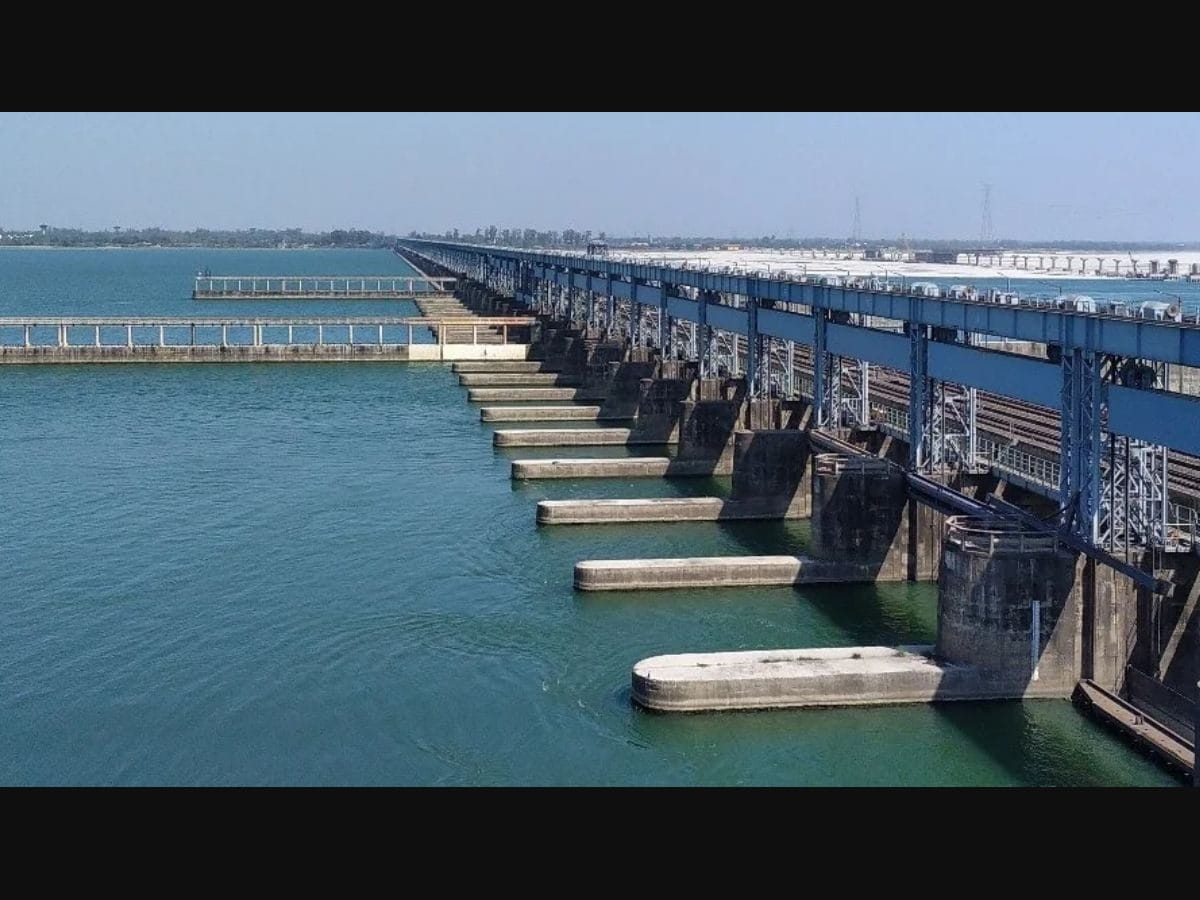
Signed in December 1996 by then Indian Prime Minister HD Deve Gowda and Bangladeshi Prime Minister Sheikh Hasina, the Treaty on Sharing of the Ganga Waters at Farakka resolved long-standing disputes over one of the 54 rivers shared by the two neighbours—leaving the Teesta as the only major river still awaiting a bilateral water-sharing accord.