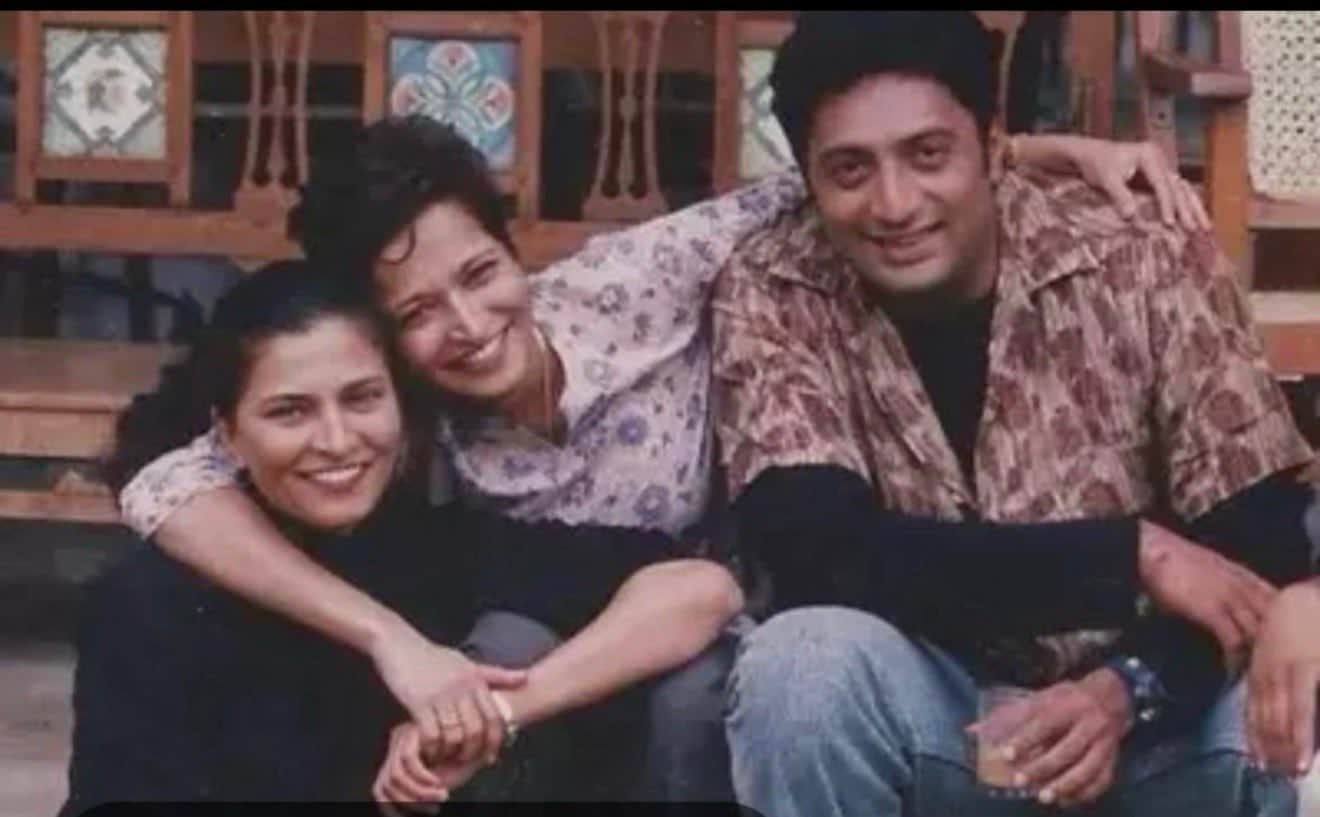
Choreographer Pony Varma has opened up about the personal and professional toll her husband, veteran actor Prakash Raj, faced following the 2017 assassination of activist-journalist Gauri Lankesh.
In an interview on Prema’s YouTube channel on Friday, October 30, 2026, Varma shared how Lankesh’s murder served as a pivotal turning point for the National Award-winning actor, compelling him to speak out against political injustice despite significant professional fallout.
Turning Grief Into Vocal Advocacy
Lankesh, a close friend of Prakash Raj for over 35 years, was shot dead outside her Bengaluru residence in September 2017. Reflecting on the tragedy, Varma recalled seeing her husband completely shattered by the news:
”In the beginning, I used to be very scared. When we heard Gauri’s news, I saw him devastated completely. He was broken and said, ‘I kept telling her.’ How we are scared for Prakash, he was scared for Gauri. When Gauri died, something just shook him completely. He said, ‘I will talk. As a woman, she stood, she spoke.'”
Following her death, Prakash Raj initiated the social media movement #JustAsking to demand public accountability from governing institutions, alongside using #NaanuGauri (I am Gauri) on her death anniversaries to preserve her legacy.
Professional Toll and Industry Stance
Varma revealed that her husband’s outspokenness led to immediate commercial consequences, including cancelled endorsement deals, lost film roles, and informal bans across regional film industries.
Despite the financial and professional setbacks, Varma noted that the actor refused to compromise his principles for career comfort:
”I know how much his work got affected in the industry. The way the ads went off, films were taken away from him. He has suffered immensely in his profession. But he says, ‘My conscience says what is happening is wrong, so I should not accept this.'”
Varma commended his resilience, pointing out that while many industry peers prefer to remain in “good books” to safeguard their income, Prakash Raj chose to prioritize his social conscience over professional security.