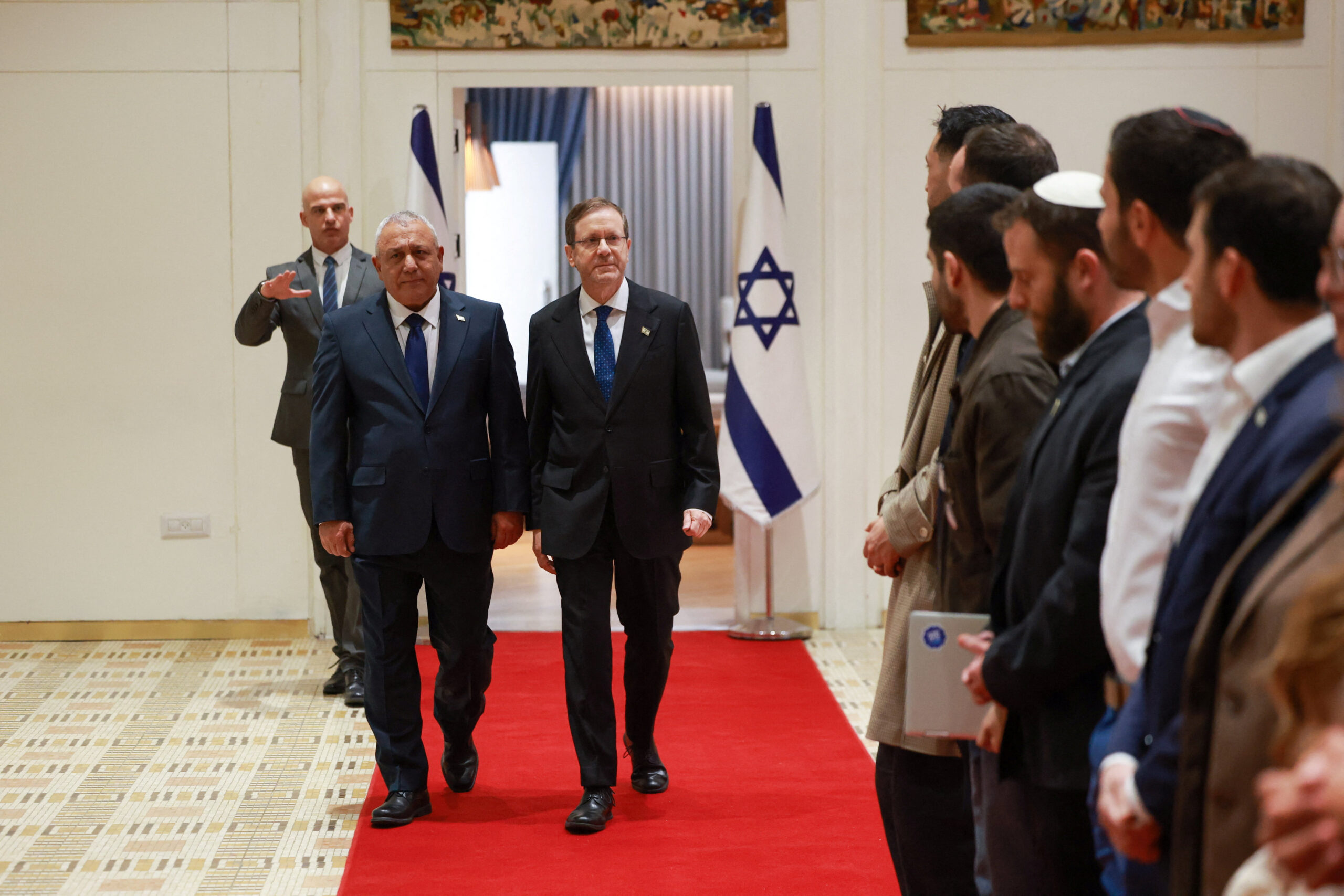
Outgoing Israeli Prime Minister Benjamin Netanyahu signaled his willingness on Monday, 9 November 2026, to explore the formation of a national “unity government,” responding to coalition initiatives led by former military chief and Yashar party leader Gadi Eisenkot.
Speaking in a video statement released by his office, Netanyahu described a unity coalition composed of Zionist and Haredi parties as a “vital need” to address pressing national and regional security challenges.
Eisenkot Mandate & Coalition Dynamics
The political maneuvering follows official coalition steps initiated by Israeli President Isaac Herzog:
- Lawmaker Endorsements: Gadi Eisenkot secured formal backing from 67 lawmakers, outstripping the 46 endorsements garnered by Netanyahu’s Likud-led bloc.
- Coalition Timeline: Eisenkot has been granted a standard 28-day window to negotiate and assemble a functioning parliamentary majority, with an option for a 14-day extension if mandated by President Herzog.
- No Exclusions Stance: In his official statement, Netanyahu remarked: “I don’t rule anyone out, and no one else should be ruling others out. We must join forces in the face of the challenges in front of us.”
Leadership Counterclaims & Legislative Mandate
While Eisenkot indicated openness to including Likud members provided he leads the new executive cabinet, Netanyahu maintained that Likud’s parliamentary footprint positions it to spearhead national leadership:
- National Unity Framework: Eisenkot urged Likud and Religious Zionist Party members to join a government anchored on shared national principles under his leadership.
- Likud Position: Netanyahu emphasized that any coalition framework must integrate the traditional national camp alongside Haredi and mainstream Zionist parties to ensure long-term legislative stability.