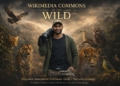

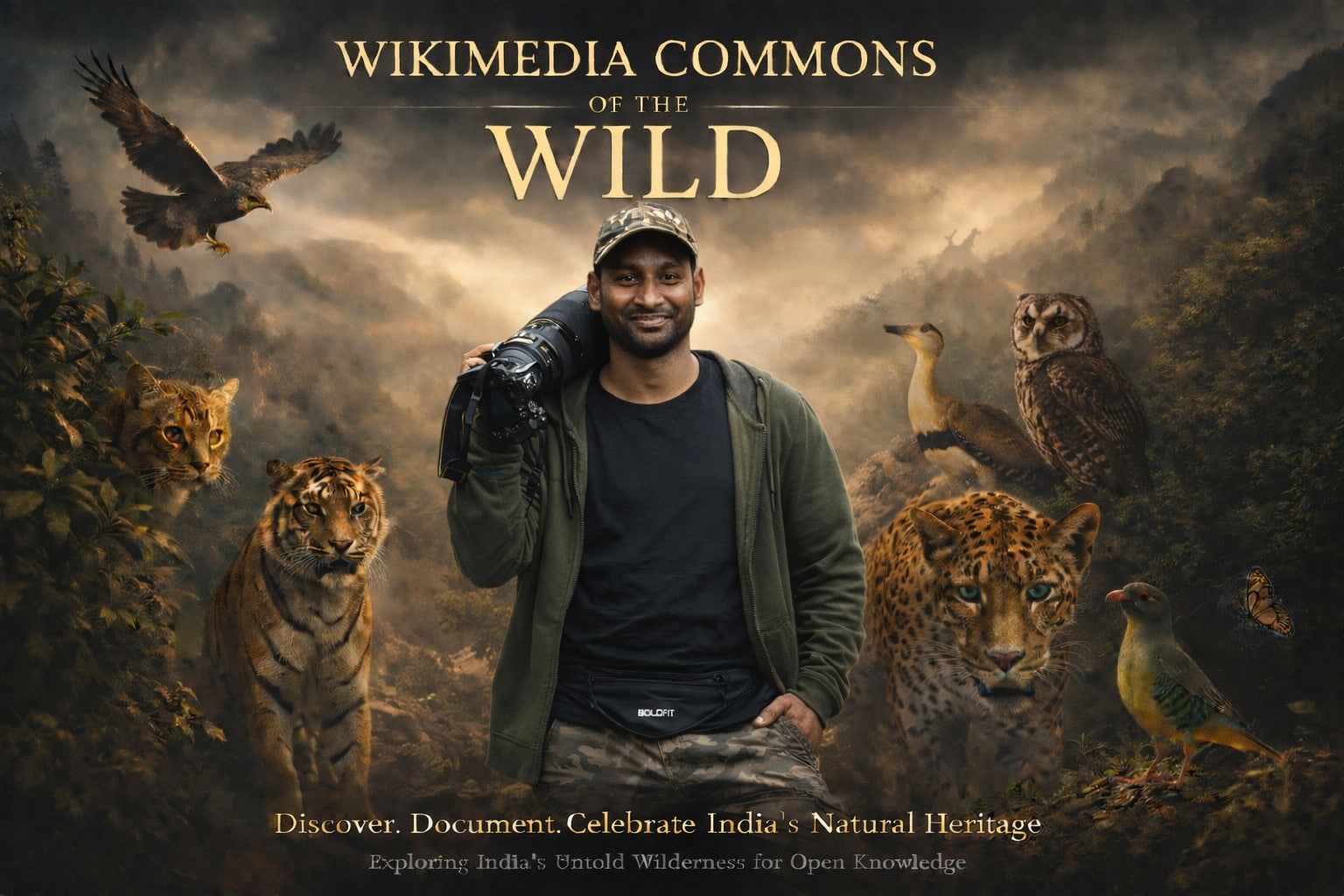
K. Shiva Kumar, a seasoned wildlife storyteller and photographer from Odisha, has launched a nationwide initiative called “Wiki Commons of the Wild.” This ambitious project aims to create India’s first open-access wildlife knowledge archive through Wikimedia Commons.
With over a decade of field experience, Kumar has traveled extensively across multiple Indian states, engaging closely with local and tribal communities to document wildlife, indigenous knowledge systems, and the complex relationships between humans and animals within diverse ecosystems.
In addition to his documentation efforts, Kumar actively invites young nature enthusiasts, emerging photographers, students, and citizens from across the country to join his mission. He encourages them to contribute local biodiversity stories for a larger conservation cause. By training youth and fostering public participation, Kumar seeks to democratize conservation storytelling and make India’s natural heritage freely accessible to scientists, researchers, biologists, students, and the global community.
Based in Rayagada, Odisha, K. Shiva Kumar has chosen a quieter, more enduring path in an age dominated by fast content and fleeting visuals. He uses his camera as a tool for conservation, education, and open knowledge. An internationally recognized wildlife photographer and conservation storyteller, Kumar is on a unique mission: India’s first solo wildlife photo-documentation journey aimed at creating an open-source archive of the nation’s biodiversity.
Armed with just one camera and nearly two decades of experience, Kumar has documented over 1,000 species of birds and wildlife across India. His work has been featured on global platforms including the BBC, Nikon, UNESCO, and Wikimedia Commons, showcasing India’s lesser-known wildlife stories to an international audience.
Born in Odisha’s Rayagada district, Kumar holds a Master’s degree in Journalism and Mass Communication from the Central University of Odisha, Koraput. He began his professional career in Public Relations and the Forensic Division under the Rayagada Police, where he developed a keen eye for documentation and storytelling. He also worked under prominent figures such as Smt. Nara Bhuvaneswari, Managing Trustee of NTR Memorial Trust and CMD of Heritage Foods, and K. Rajendra Kumar, IPS (Retd.), former Director General of Police in Jammu & Kashmir—experiences that helped shape his discipline and purpose.
During his time as a photojournalist in Rayagada, Kumar found mentorship and a sense of belonging within the journalist community. “They treated me like family,” he recalls. “Everything I learned from them became the foundation of my life’s work.” He credits his uncle, G. Gowri Shankar, a senior reporter who raised him, as his greatest influence: “He has been my guiding light. My values, empathy, and commitment come from him.”
Kumar’s passion for wildlife deepened during his academic years when he engaged closely with the biodiversity department at the Central University of Odisha. “That connection changed my life,” he reflects. “Knowledge is divine—and when used at the right time, it becomes a powerful tool for conservation.”
Over the years, he has collaborated with organisations such as the Small Wild Cat Conservation Group, Rusty-spotted Cat Working Group, and Wildlife Trust of India, leading awareness initiatives and field programs across multiple states. A significant part of his work involves contributing high-quality, verified wildlife images to Wikimedia Commons, ensuring free and open access for researchers, students, conservationists, NGOs, and institutions worldwide.
What sets Kumar’s current journey apart is its intent. Unlike backpacking or travel vlogging, his expedition is a full-time, purpose-driven mission focused solely on wildlife documentation, research support, and conservation storytelling. “This is not leisure travel,” he asserts. “This is documentation—for science, for the world, and for the future.”
Through Wikimedia Commons, every image he uploads becomes freely accessible, breaking down copyright barriers and enabling millions to learn about India’s biodiversity. Kumar believes this is where real conservation impact begins.
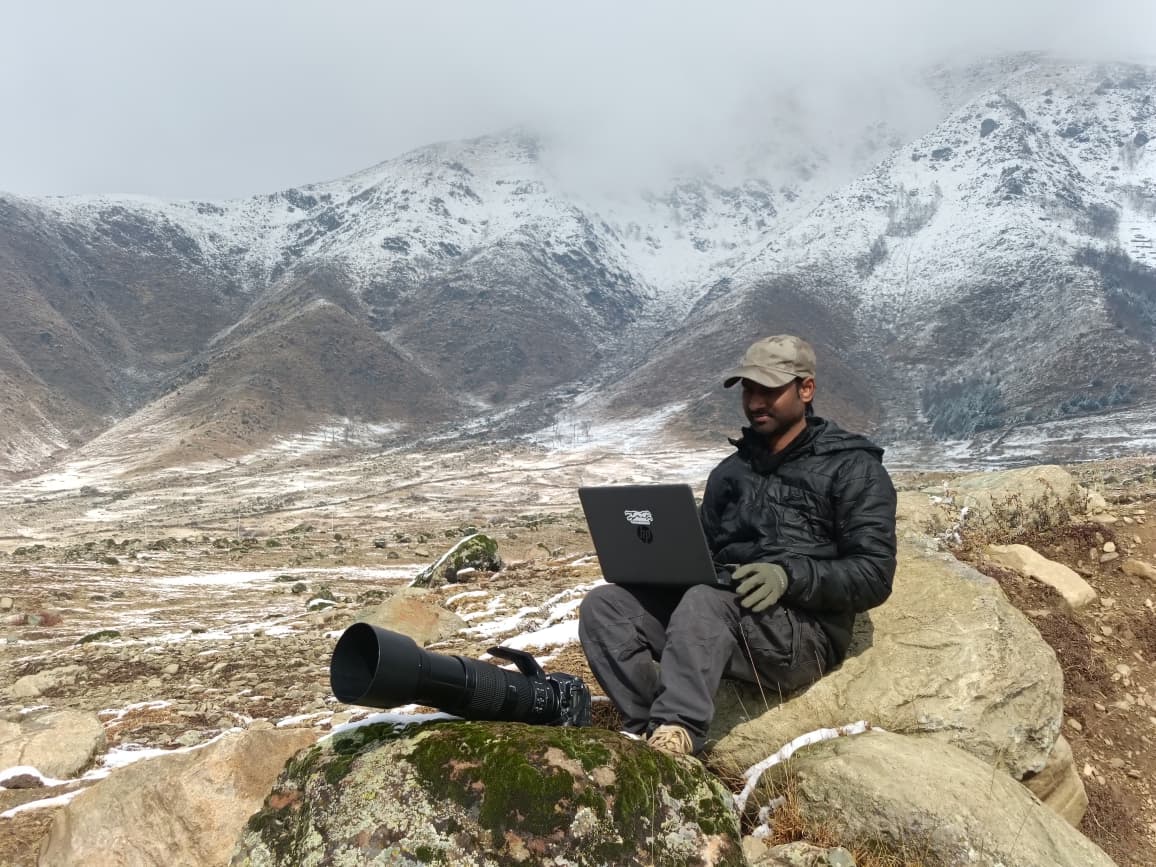
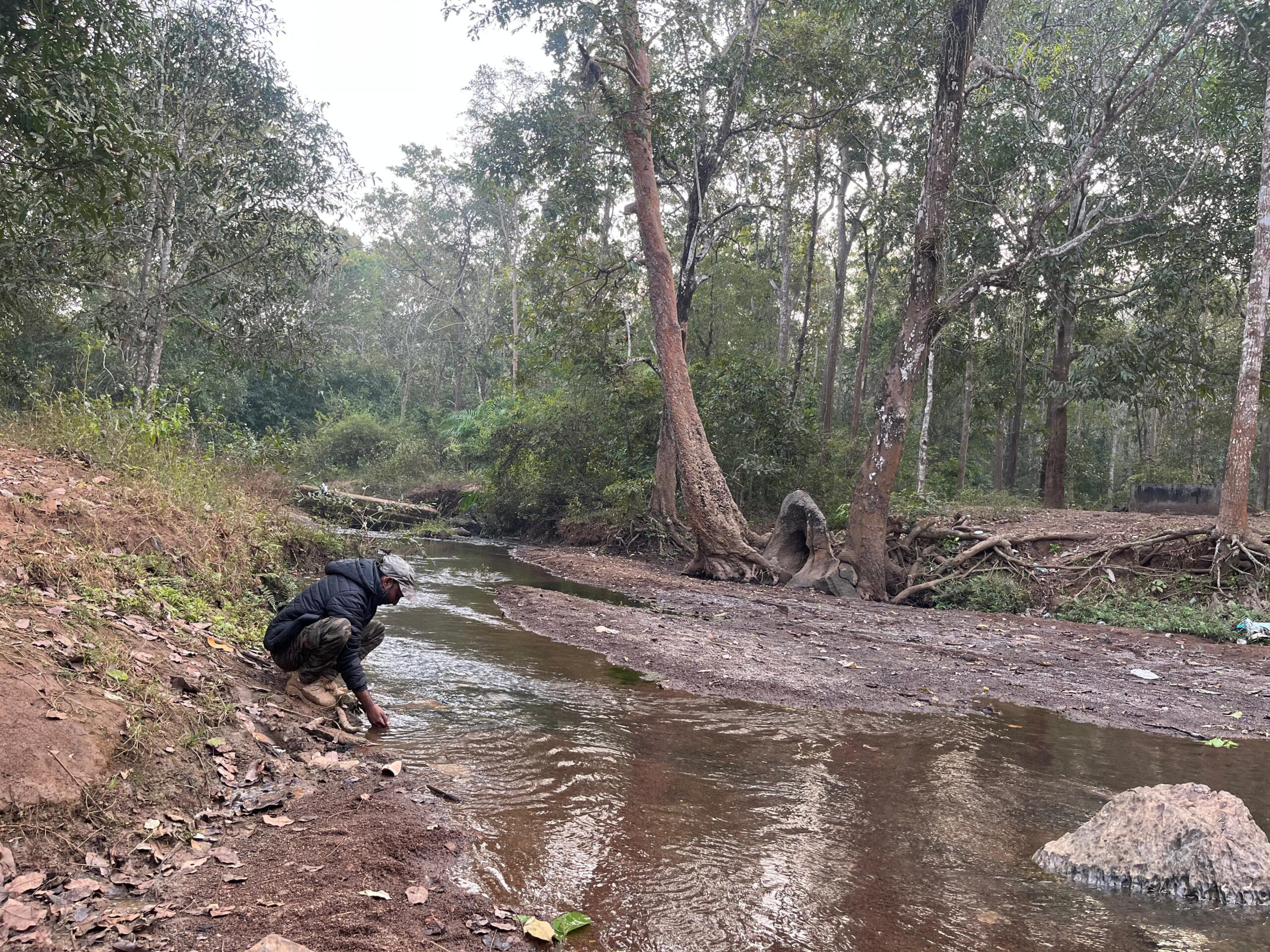
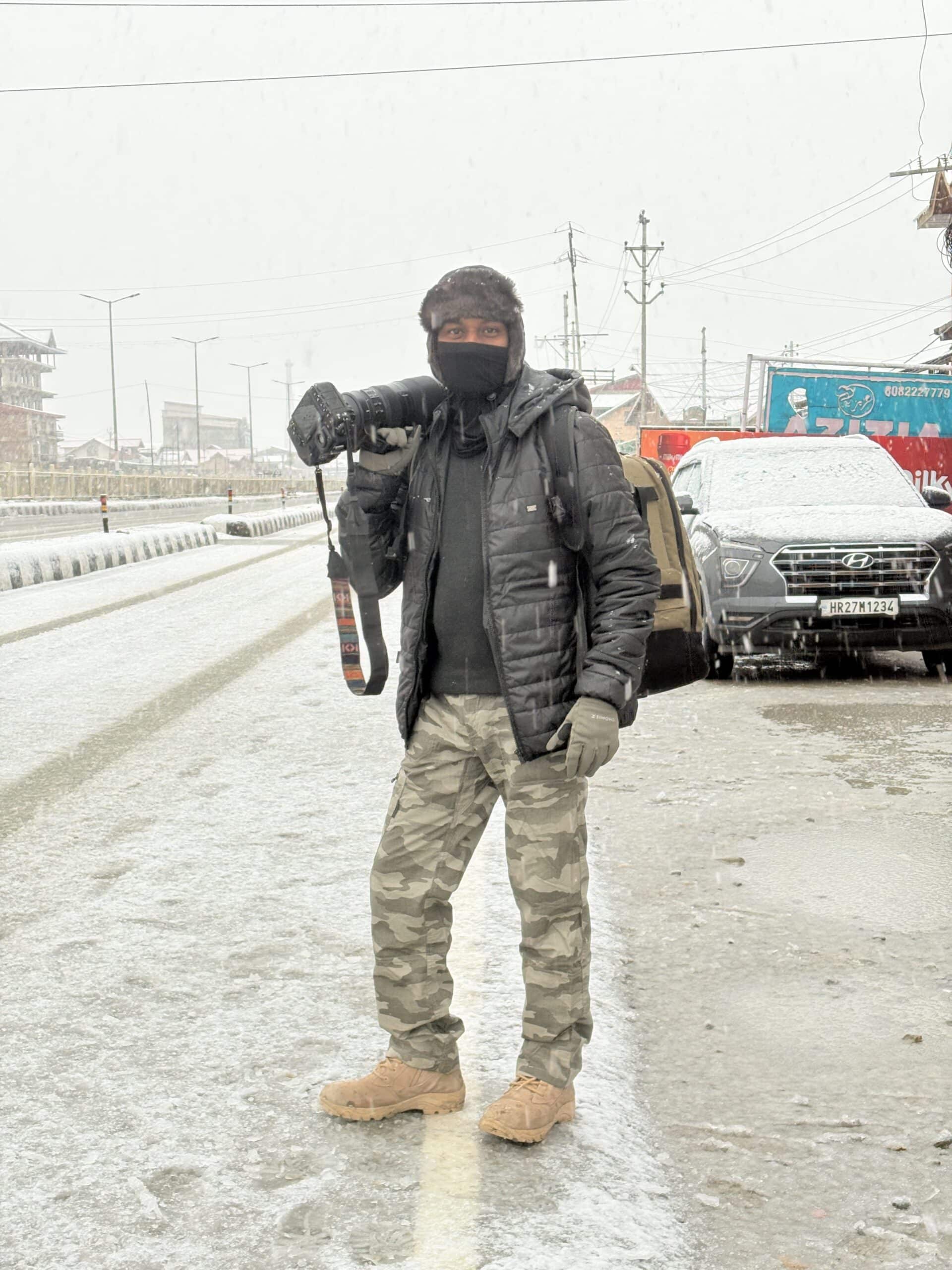
As he travels from state to state, building what he calls India’s first open-source wildlife archive, Kumar has a clear message for young nature enthusiasts:
This is your time. Your chance to contribute. Join the movement—learn, document, and share. Conservation belongs to all of us.