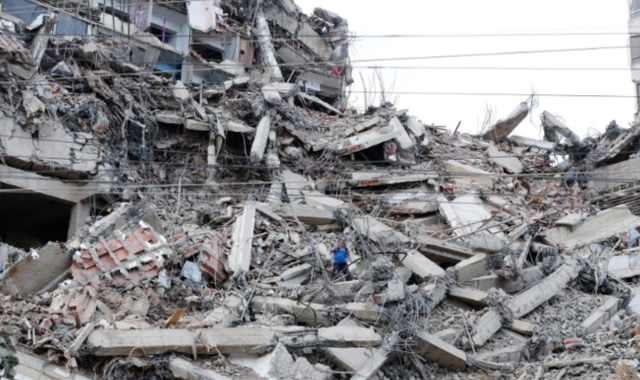
Venezuela’s twin earthquakes on June 24 have left unprecedented destruction, with the official death toll surpassing 1,700, more than 5,000 injured, and tens of thousands missing.
The UN estimates up to 6.8 million people may be affected through displacement or loss of essential services.
La Guaira state bore the brunt, with nearly 200 buildings flattened and over 58,000 damaged or destroyed, according to satellite data. Families continue searching for loved ones in overwhelmed morgues, often identifying victims through personal belongings.
Personal tragedies highlight the human cost. Venezuelan footballer Héctor Bello lost his wife Andrea, who shielded their one-year-old daughter during the collapse of their home. Argentine player Lucas Trejo lost his wife and two children while away at training.
Amid grief, rare rescues have offered hope. Dayana Patino and her 18-day-old son survived 32 hours trapped in rubble, while Aaron Levi Cantillo, 21, was pulled out alive after 106 hours. International teams from over 30 countries continue racing against time to find survivors.
Experts have raised concerns over weak enforcement of building codes and poor construction quality, particularly in government-built housing. Criticism has grown over the pace of official response, with many residents relying on community-led rescues.
International aid has poured in, including over $300 million from the US, while the Red Cross plans relief for at least 300,000 people over two years. The long-term humanitarian crisis is expected to last years, reshaping Venezuela’s recovery and resilience.