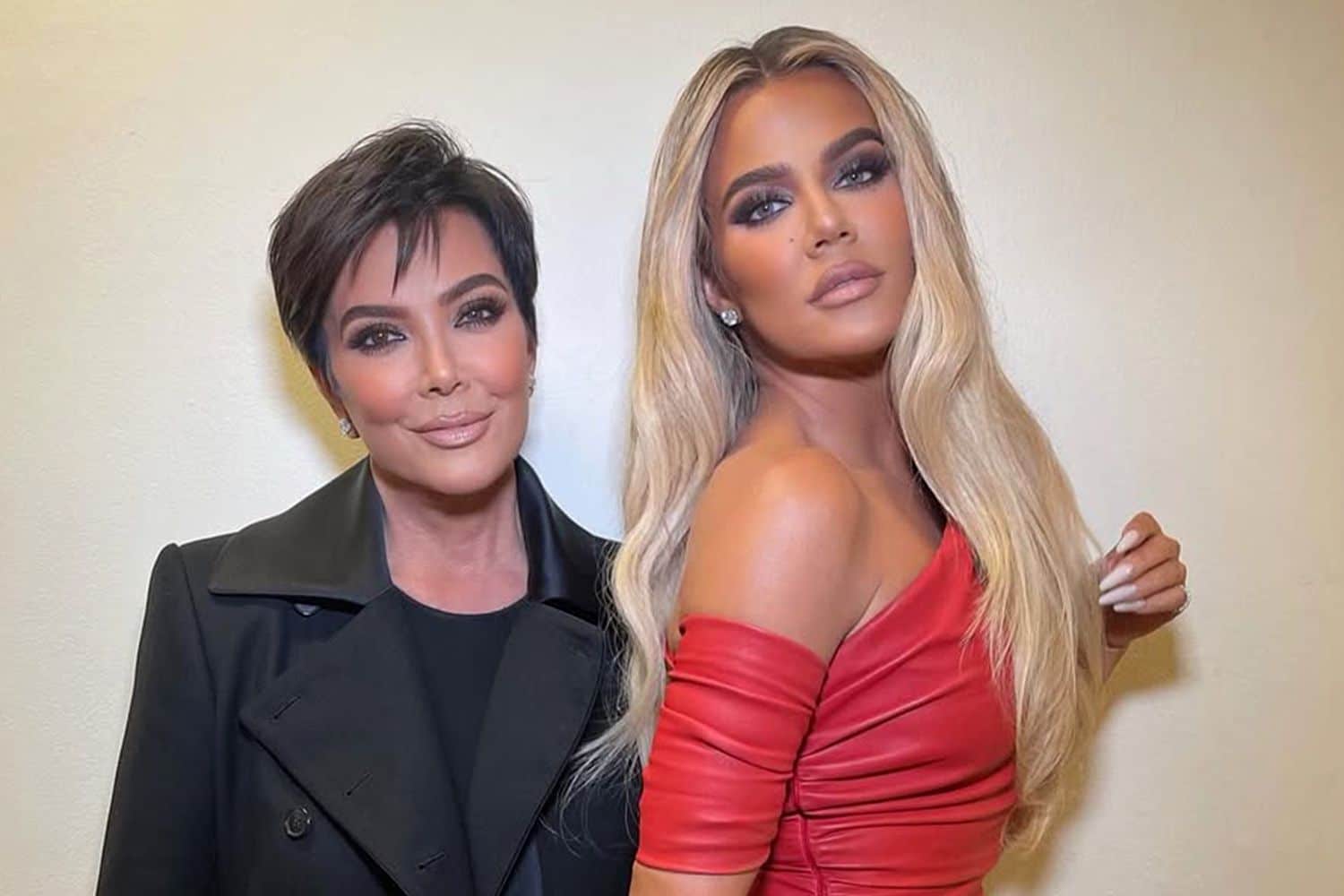
At 72, Kris Jenner says her glossy, healthy hair is completely natural — and powered by peptide gummies. The reality star and businesswoman has openly praised peptides as her secret weapon for stronger, thicker hair.
Her daughter, Khloé Kardashian, has echoed the sentiment. Both became stakeholders last year in US-based beauty biotechnology brand Omi WellBeauty. Khloé previously shared that after trying multiple remedies, she saw faster results with peptide supplements, claiming her hair felt stronger and healthier.
Celebrities such as Jennifer Aniston and Nicole Kidman have also spoken about their supplement routines. However, dermatologists advise consumers to separate marketing claims from medical evidence.
What Science Says About Peptides and Hair Growth
Peptides are short chains of amino acids that act as building blocks of proteins. Keratin — the primary structural protein in hair — is composed of amino acids, which is why supplementation may theoretically support hair strength.
Dermatology experts explain that once ingested, oral peptides are broken down into amino acids and absorbed systemically. They do not directly target the scalp. Their effectiveness depends on factors such as:
-
Gut absorption
-
Overall nutritional status
-
Underlying cause of hair thinning
-
Hormonal balance
In other words, while peptides contribute to protein formation, they are not a direct hair-growth trigger.
When Hair Gummies May Help — and When They Don’t
Dermatologists emphasise that hair fall has multiple causes, including:
-
Nutritional deficiencies
-
Hormonal imbalances
-
Chronic stress
-
Scalp conditions
-
Genetic predisposition
Hair gummies that contain biotin, iron, zinc, and amino acids may serve as supportive therapy if a person has a confirmed deficiency.
However, experts caution that gummies are not effective as a standalone treatment for conditions such as:
-
Androgenetic alopecia (male or female pattern baldness)
-
Telogen effluvium
-
Hormone-related hair thinning
For genetic or hormonal hair loss, medical treatments and targeted therapies remain more reliable options.
Potential Risks and Side Effects
Not all hair gummies are suitable for everyone. Dermatologists warn about the following concerns:
-
High sugar content: May not be suitable for people with diabetes.
-
Excess biotin: Can interfere with thyroid and heart-related lab tests.
-
Vitamin A content: Not recommended for pregnant or lactating women.
-
Fat-soluble vitamins (A, D, E, K): Require careful monitoring in people with liver or kidney conditions.
Consumers are encouraged to consult a healthcare professional before starting supplements, especially if they have existing medical conditions.
The Bottom Line
While Kris Jenner’s glossy hair may reflect a combination of genetics, professional styling, and wellness routines, dermatologists agree that peptide gummies are not a miracle cure.
Hair supplements can support hair health when a genuine nutritional deficiency exists. However, they are unlikely to reverse genetic or hormone-driven hair loss.
Before investing in celebrity-endorsed hair gummies, experts recommend getting proper medical evaluation and identifying the root cause of hair concerns. In hair care, as in health, personalised treatment matters more than trends.