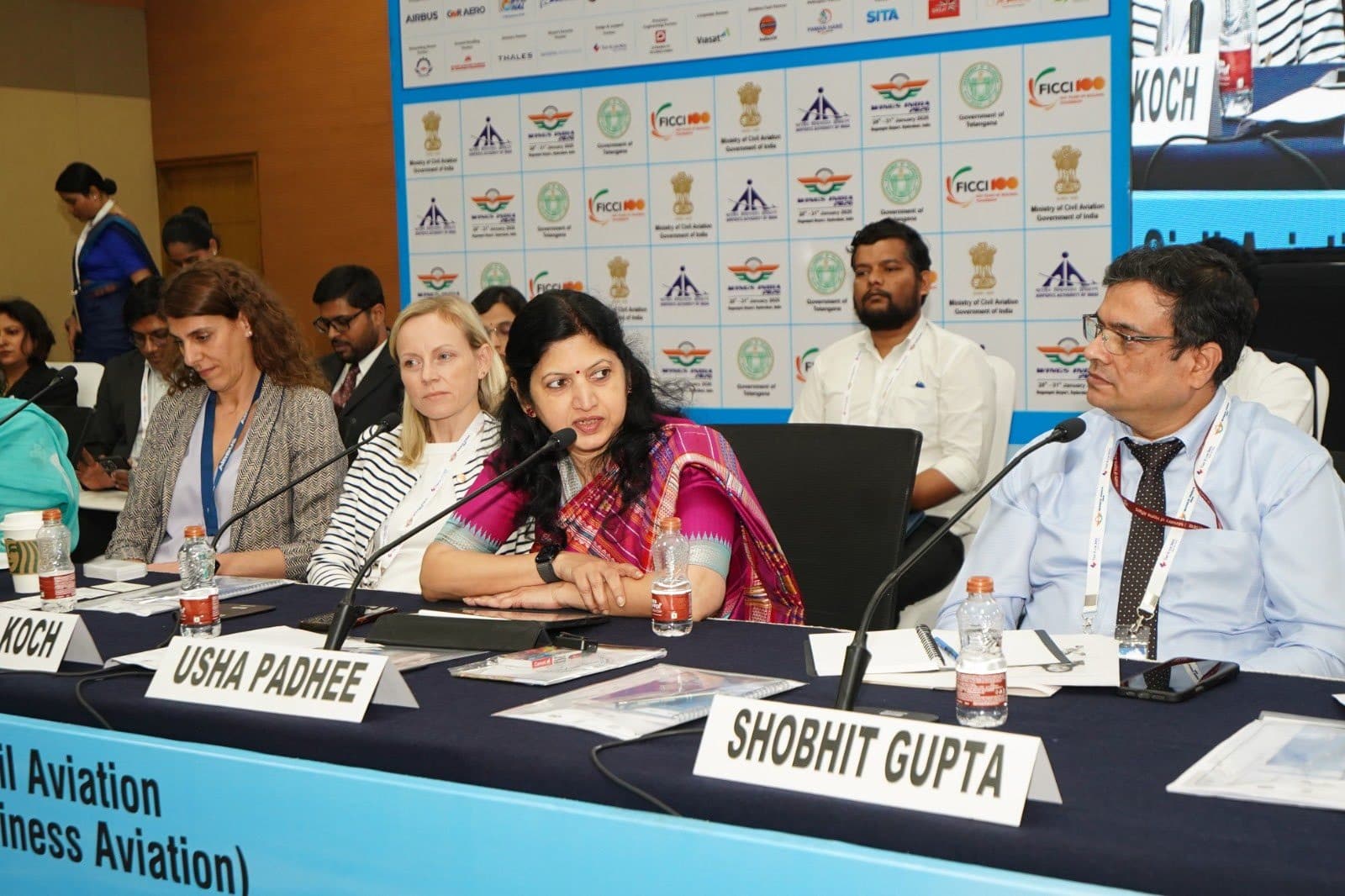
On her final day as Principal Secretary of the Commerce & Transport Department in Odisha, Usha Padhee, IAS, left behind a legacy that transformed the state’s mobility landscape from mere infrastructure to a beacon of human-centred progress. As buses departed at dawn, planes took to the skies, and highways buzzed with activity, the department’s operations continued seamlessly – a testament to the robust systems she helped build over her tenure.
For Padhee, transport was always about more than logistics; it was a vehicle for empowerment, safety, and opportunity. Under her leadership, initiatives like the Mukhyamantri Bus Seva were strengthened, ensuring reliable public transport for millions. The introduction of commuter-friendly Atal Bus Stands further elevated the daily commuting experience, making it more dependable and citizen-focused.

One of her standout contributions was the AMA Suvahak (Atmanirbhar Mahila Suvahak) program, which empowered women to join the transport workforce as drivers and operators. This not only created new livelihoods but also challenged societal norms, fostering gender inclusivity in a traditionally male-dominated sector. Complementing this was the “Come Home Safe” campaign, which turned road safety into a collective responsibility. By integrating systems, data, and community awareness, it provided families with the peace of mind that their loved ones would return home unharmed.

Padhee’s vision extended to the skies, where she leveraged her prior experience in aviation at the Government of India level to reshape Odisha’s aerial ecosystem. The New Destination Policy under B-MAAN (Building and Management of Aviation Assets & Network) aimed to enhance connectivity while building a strong Maintenance, Repair, and Overhaul (MRO) framework. This positioned Odisha as a leader in regional aviation, creating jobs, skills, and balanced growth across the state. A particularly inspiring aspect was the push to train tribal girls and women as pilots, democratizing access to aviation careers and inspiring dreamers from all backgrounds.

Her efforts were bolstered by strategic partnerships with industry through the Crew Training Institute (CTI) and Odisha Maritime Academy (OMA), focusing on specialised skilling. Dedicated Special Purpose Vehicles (SPVs) accelerated infrastructure projects, while the operationalisation of National Waterway-5 – a long-dormant asset – gained national recognition in the Union Budget. Along the coastline, plans for the Bahuda Port integrated road, rail, air, and maritime networks into a cohesive, future-ready system.

As Padhee steps away, her work leaves an indelible mark: a transport sector that is more inclusive, efficient, and attuned to the needs of Odisha’s people. “This isn’t just about moving from point A to B,” a department official reflected. “It’s about ensuring every journey carries hope and dignity.” With the roads, skies, and waterways poised for continued advancement, Odisha’s path forward remains brightly lit by her enduring contributions.