Just hours before Pakistan confirmed its participation in the highly anticipated T20 World Cup match against India, Pakistan Cricket Board (PCB) chairman Mohsin Naqvi triggered fresh controversy by invoking the name of Field Marshal Syed Asim Munir during a press conference.
Naqvi, who also serves as Pakistan’s interior minister, made the remarks amid weeks of uncertainty surrounding the February 15 fixture, which had been clouded by boycott threats, political tensions, and prolonged negotiations involving the International Cricket Council (ICC) and several national cricket boards.
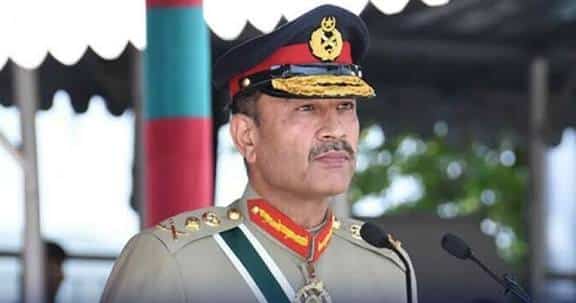
“Neither am I intimidated by the threats from India and the ICC, nor is the Government of Pakistan, and as for Field Marshal Syed Asim Munir, you already know about him — he never gets afraid,” Naqvi said while addressing reporters during the deadlock.
Military Reference Raises Political Undertones
By referencing Pakistan’s top military leadership, analysts believe Naqvi sought to project national resolve and signal that the dispute had extended beyond sport into the broader civil–military and state domain. The comments were widely interpreted as an attempt to frame the cricketing impasse within the context of national sovereignty and security.
Field Marshal Asim Munir rose to prominence following his elevation in May 2025, after heightened military tensions with India in the aftermath of Operation Sindoor. The Indian military operation targeted terror infrastructure in Pakistan and Pakistan-occupied Kashmir following a deadly terror attack in Jammu and Kashmir’s Pahalgam region.
Pakistan’s government later promoted General Munir to Field Marshal — the highest military rank in the country — citing his leadership during the four-day period of cross-border hostilities before both sides agreed to de-escalate.
Since then, Munir has frequently been highlighted by Pakistan’s leadership as a symbol of national resilience, particularly in response to international criticism of Islamabad’s handling of security concerns.
PCB Reverses Stand After Government Consultations
Despite the strong rhetoric, the PCB ultimately reversed its position. Following consultations led by Prime Minister Shehbaz Sharif and discussions with cricket boards from Sri Lanka, the UAE, and Bangladesh, Pakistan agreed to play the match as scheduled in Colombo on February 15.
A government statement said the decision followed multilateral diplomatic engagement and appeals from “friendly countries,” emphasizing the importance of preserving the continuity and spirit of international cricket.
The ICC later confirmed that mediation meetings held in Lahore were “open, constructive, and congenial.” The governing body added that no punitive action would be taken against Bangladesh in connection with the broader participation discussions.
The decision brought an end to weeks of speculation and ensured that the marquee India–Pakistan clash would go ahead as planned, much to the relief of fans and tournament organizers.