The sacred festival of Makar Sankranti is being observed across Odisha with deep devotion, traditional rituals, and vibrant festive enthusiasm on Wednesday, marking an important astronomical and spiritual transition in the Hindu calendar.
Celebrated nationwide under different names and customs, Makar Sankranti has filled towns, temples, and households in Odisha with religious fervour and cultural joy.
Sun’s Northward Movement Marks an Auspicious Transition
Makar Sankranti signifies the Sun God’s transition from Sagittarius (Dhanu Rashi) to Capricorn (Makara Rashi), ushering in Uttarayan, a period regarded as highly auspicious. Devotees believe that holy baths, charity, and prayers offered during this time bring spiritual merit, prosperity, and positive energy.
Across the state, people have gathered at temples, rivers, and sacred places to participate in rituals, offer prayers, and observe age-old traditions associated with the festival.
Temples and Towns Witness Festive Buzz
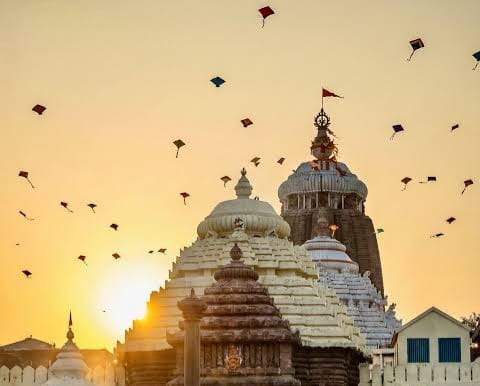
Major temples across Odisha have seen a surge in devotees. Special rituals are being performed at the Puri Srimandir, where Makar rice, symbolically brought by Maa Lakshmi, is scheduled to be offered to the presiding deity. Temple and district administrations have made elaborate arrangements to ensure smooth and safe celebrations amid large gatherings.
In Mayurbhanj district, Makar Sankranti is celebrated as a community festival, with families wearing new clothes and preparing traditional delicacies at home. In southern Odisha, Bhogi, an associated festival, is also being observed with enthusiasm.
The city of Berhampur is witnessing extended celebrations, particularly among the Telugu community, where the festival is observed over three days. The celebrations reflect cultural harmony, shared traditions, and collective joy, adding to the festive spirit across the region.