
The revival of water bodies is often described in terms of ecology and agriculture, but sometimes it becomes something much bigger—a cultural rebirth and a force that binds communities together.
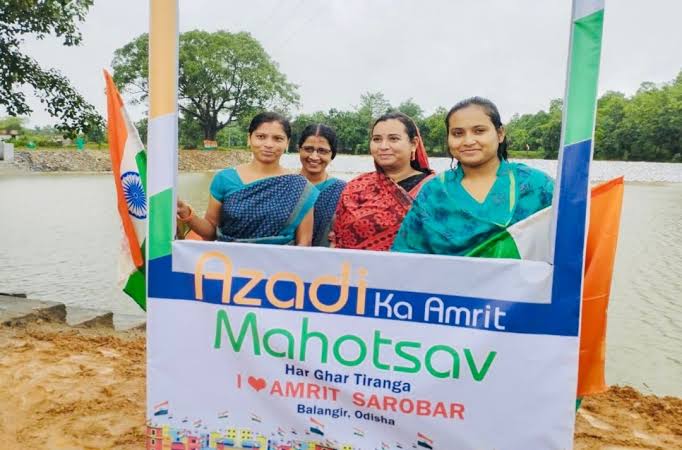
The story of Amrit Sarovar at Nuamunda Tank in Khagsikana village, Balangir district, is one such inspiring example. Through administrative planning and deep community participation, a neglected water body was transformed into a living symbol of pride, prosperity, and cultural revival.
From Neglect to Renewal
Nuamunda Tank, spread across 1.1 acres near the revered Shree Swapneswar Mahadev Temple, has long been a centre for rituals and community gatherings. Over the years, however, silting, weak embankments, and poor maintenance reduced its water-holding capacity and degraded its spiritual significance.
While villagers attempted minor repairs, they yearned for a complete revival. The turning point came when the block administration identified the tank under the Amrit Sarovar initiative, a flagship mission to rejuvenate water bodies across India.
Planning and Community Participation
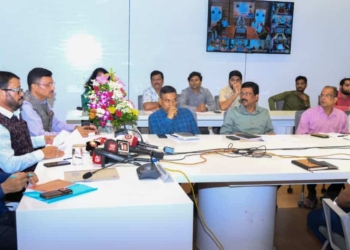
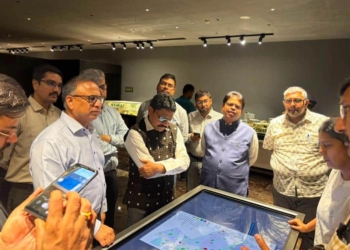
Technical teams used geo-spatial tools to assess the site, while farmers, self-help groups, PRI members, and village elders contributed to shaping the project’s vision.
With the Sarpanch as chief motivator, a decision was made to transform the tank for both cultural and modern needs.
-
Funding: Rs 10 lakh from MGNREGS and Rs 5 lakh from Finance Commission Grants.
-
Works Undertaken: Deepening of the tank to its 10,000 cubic meter capacity, embankment reinforcement, slope stabilization, and removal of encroachments.
-
Community Efforts: Plantation drives, maintenance, and beautification efforts were led by villagers themselves.
The result: a functional, well-maintained, and vibrant water body with shady trees, seating arrangements, and lighting—turning it into a true community space.
Benefits Beyond Water
The rejuvenation, completed in 2024, has sparked a revival in multiple ways:
-
Cultural Pride: Restored the site’s spiritual significance and revived traditional gatherings.
-
Agricultural Gains: Improved water retention, soil moisture, and opportunities for short-term crops.
-
Livelihood Support: Groundwater recharge, pisciculture, and floriculture provide additional income sources.
-
Recreation & Well-being: Trees, benches, and lighting have made it a hub for social interaction.
Part of a Statewide Mission
Across Odisha, 7,075 sites have been identified under the Amrit Sarovar Mission, with work currently underway at 487 locations. These projects combine irrigation, beautification, cultural preservation, animal use, and groundwater recharge, linking ecological restoration with social and economic well-being.
The initiative is being led by Minister for Panchayati Raj and Drinking Water Rabi Narayan Naik, under the visionary leadership of Chief Minister Mohan Charan Majhi, and stands as a testament to the spirit of grassroots governance.
A Model for Panchayati Raj
Speaking about the project, Sarpanch Jibani Dash said,
“The Nuamunda Amrit Sarovar is a model of community participation and convergence. It connects people emotionally, culturally, religiously, and economically.”
The Nuamunda Tank is no longer just a water body—it is a living example of how administrative will, financial convergence, and people’s participation can transform natural resources and strengthen the spirit of Panchayati Raj.