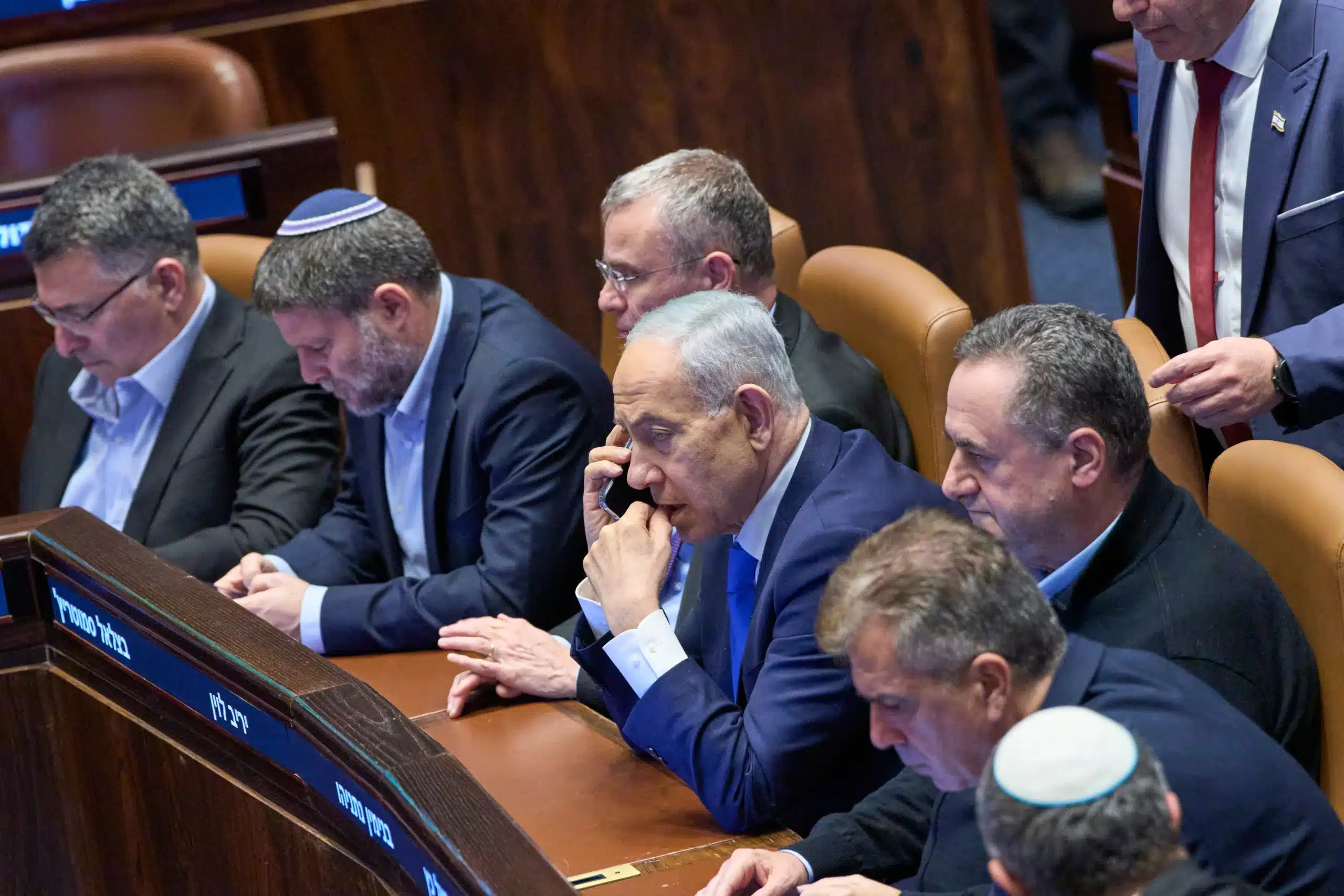
High-stakes unity government negotiations between Israeli caretaker Prime Minister Benjamin Netanyahu and opposition leader Gadi Eisenkot stalled on Sunday, November 29, 2026, ending without a breakthrough after roughly two hours of discussions over what both sides described as “substantial policy differences.”
Originally slated to take place at a hotel in Herzliya, the meeting was shifted to the Kirya military headquarters in Tel Aviv, opening with a security briefing before former Strategic Affairs Minister Ron Dermer joined to help mediate. Despite Netanyahu’s dramatic Saturday night offer to step aside first under a rotating premiership arrangement—allowing Eisenkot to serve as prime minister at the start of the term while Netanyahu served as alternate premier—the two camps failed to bridge fundamental disagreements on governance and security.
Why the Two-Hour Tel Aviv Talks Hit a Roadblock
Following the inconclusive October 27 Knesset election that left neither major camp with an outright 61-seat majority in Israel’s 120-member parliament, talks stumbled over deep ideological divides—including mandatory military service for ultra-Orthodox (Haredi) men, the establishment of a state-led commission of inquiry into the October 7, 2023 security failures, and reported conditions from Netanyahu seeking to remain in office initially to oversee potential security developments involving Iran, which Eisenkot rejected.
In a brief joint statement, Netanyahu’s Likud and Eisenkot’s Yashar party described the session as “businesslike, with both sides seeking to bridge the substantial differences between them.” However, Israeli broadcasters reported that no further meetings are currently scheduled, with Eisenkot telling Netanyahu he remains committed to his Change Bloc partners—Yashar (21 seats), Naftali Bennett’s Together (12), Yair Golan’s The Democrats (8), and Avigdor Lieberman’s Yisrael Beiteinu (7), totalling 48 seats—and inviting Likud to join only after a government is formed on their governing principles.
“The discussion was businesslike, with both sides seeking to bridge the substantial differences between them.”
— Joint Statement by Likud and Yashar Party
What Happens Next Before the December 6 Deadline?
With his initial government-formation mandate from President Isaac Herzog expiring on December 6, 2026 (and a one-time 14-day extension option available), Eisenkot is now weighing the formation of a 48-seat minority government backed externally by Arab-majority factions—which hold 19 seats—potentially giving him the parliamentary support of 67 lawmakers without formally bringing Arab parties into the cabinet.