Fresh legislative data has put the spotlight on illegal transfers and unauthorised encroachment of Scheduled Tribe land in Odisha, with 685 cases identified across the state’s 30 districts over the past three years.
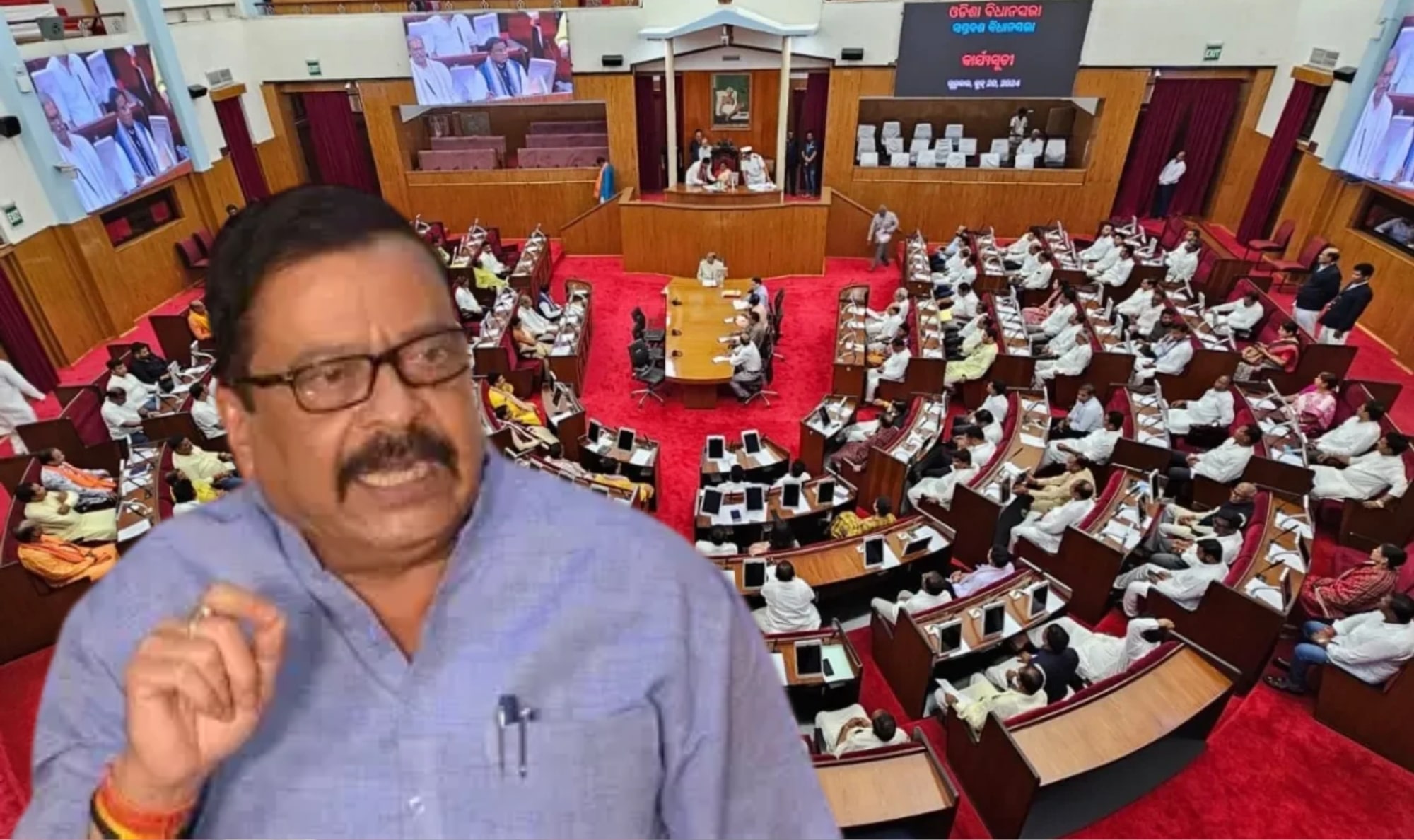
Responding to a question raised by MLA Ramesh Chandra Behera in the Odisha Legislative Assembly, Revenue and Disaster Management Minister Suresh Pujari shared a district-wise breakdown of the cases. While 367 cases have been disposed of and original tribal landowners have received their land back in 235 cases, 409 cases remain pending for land restoration.
Why Cases Are Stalled
Explaining the bottlenecks behind the backlog, Pujari noted that cases are held up at various stages due to procedural hurdles, including:
-
Missing field investigation reports
-
Pending appeals or court proceedings
-
Absence of parties during hearings
-
Non-submission of required documents
-
Incomplete final hearings
To speed up resolution, the state government said revenue authorities are issuing repeated notices to concerned parties for hearings and conducting regular reviews at the district level. The minister also pointed to earlier government directives issued on January 8, 2021 (Letter No. 1076) and December 17, 2024 (Letter No. 44414) aimed at accelerating inquiry and disposal under existing legal provisions.
District-Wise Snapshot: Kandhamala and Sambalpur Lead
Tribal-dominated districts account for the highest volume of newly registered cases, led by Kandhamala and Sambalpur:
Elsewhere in the state, Malkangiri recorded no new registered cases, yet 30 cases were disposed of, and land was restored in 15 cases. In Subarnapur, land was restored in 1 of 3 cases, while 10 cases remain pending; restoration was reported in 2 cases in Debagada and 1 case in Boudh.
Meanwhile, Baleshwar and Jajpur logged 2 cases each, and zero cases were reported as registered in Bhadrak, Kataka, Dhenkanal, Ganjam, Jagatsinghpur, Kendrapada, Nayagada, and Puri, according to the minister’s statement.