The International Court of Justice (ICJ) ruled on Thursday that Myanmar committed genocide against the Rohingya population during its August 2017 clearance operations in northern Rakhine State, delivering a landmark judgment with wide implications for how the 1948 Genocide Convention is interpreted in other global cases.
Reading out the ruling, ICJ President Yuji Iwasawa said the 15-judge bench found a “reasonable inference” that Myanmar acted with intent to destroy a substantial part of the Rohingya group.
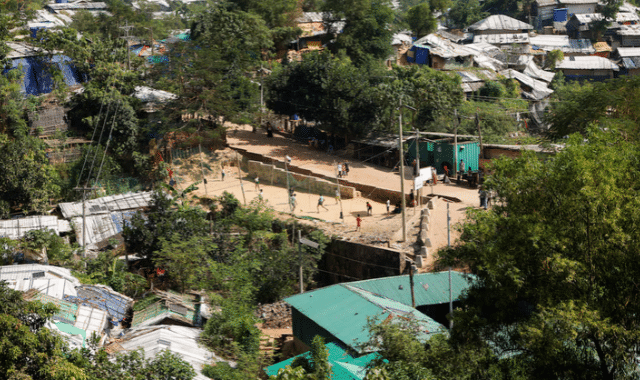
Evidence indicated security forces killed around 10,000 Rohingya civilians out of a targeted population of 815,000, committed widespread sexual violence intended to impair procreative capacity, attacked fleeing civilians, and inflicted extreme violence on children—driving more than 730,000 people into Bangladesh, where over 1.2 million Rohingya refugees now live in camps such as Cox’s Bazar.
Brought by The Gambia with Organisation of Islamic Cooperation backing in November 2019, the case marks only the fourth time since the Holocaust that an international court has found the legal threshold for genocide met. Myanmar rejected the allegations, claiming its campaign targeted the Arakan Rohingya Salvation Army.
While legally binding, the ICJ lacks its own enforcement mechanism. If Myanmar fails to comply, The Gambia can seek UN Security Council action under Article 94(2) of the UN Charter, though permanent members hold veto power. Legal observers will also examine the court’s evidentiary standards in connection with pending ICJ proceedings involving Gaza and Ukraine.