As the Bay of Bengal churns under the looming threat of the impending Cyclone Akvan, the Panchayati Raj & Drinking Water (PR&DW) Department has swung into overdrive.
With high soil moisture levels from prior spells raising red flags for waterlogging and disruption, the state government is leaving nothing to chance to guarantee uncompromised drinking water security across vulnerable rural pockets.
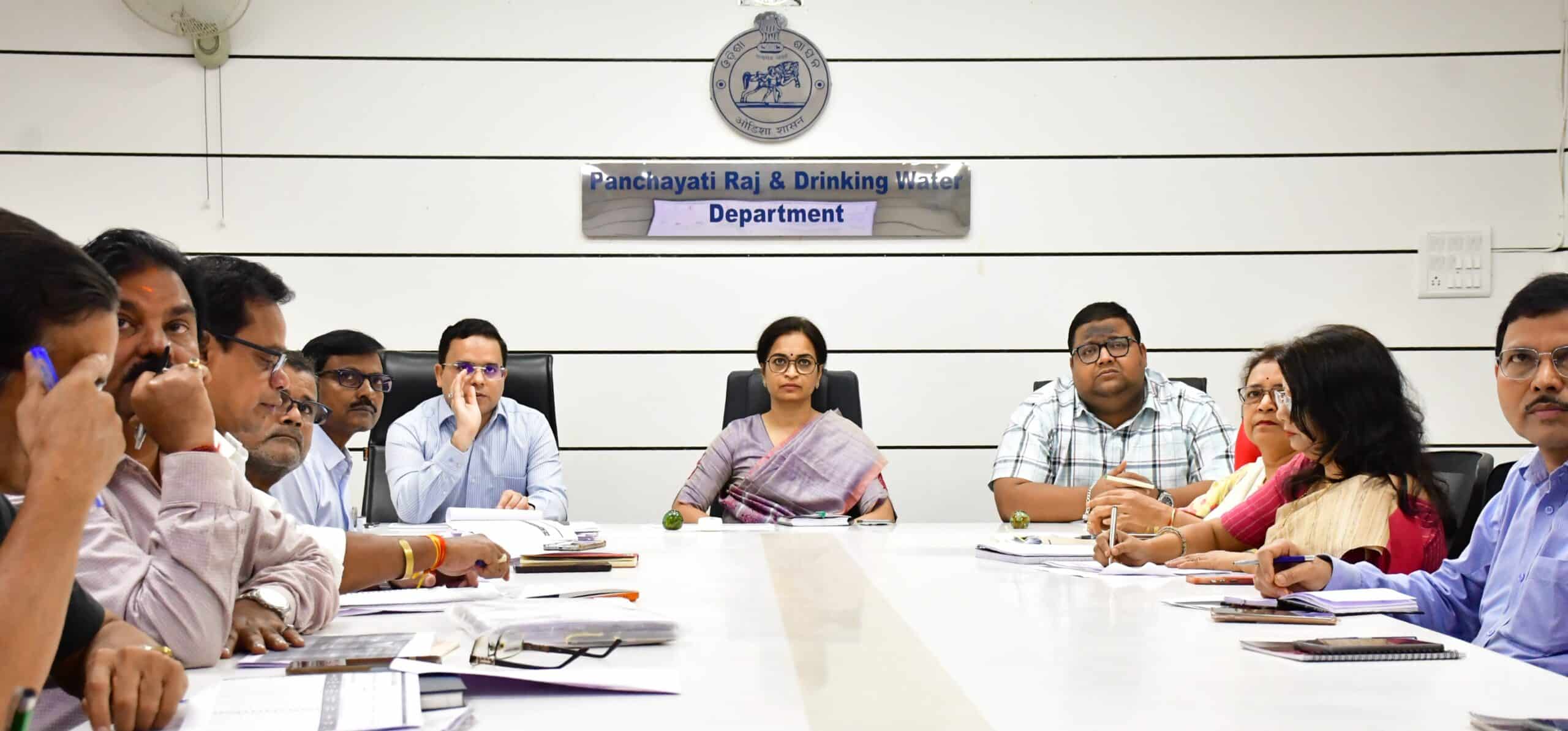
Chairing a high-level review meeting in Bhubaneswar, Commissioner-cum-Secretary Roopa Mishra issued strict directives to scale up pre-disaster planning well beyond standard requirements. Emphasising proactive field-level execution, the department has undertaken a comprehensive vulnerability mapping of tube wells and drinking water sources prone to heavy downpours and flood inundation.
Strategic Mobilisation and Resource Augmentation
To counter potential pipeline fractures and road connectivity bottlenecks, the department is adopting an aggressive resource strategy—factoring in up to three times the anticipated emergency demand.
-
Tanker Deployment: Water tankers have been mobilised ahead of schedule to serve as stationary hubs at Gram Panchayat levels, ensuring immediate cluster coverage for isolated and inaccessible pockets.
-
Pre-positioned Materials: Vital life-sustaining inventory, including bleaching powder, bottled drinking water, Sintex overhead tanks, diesel generator (DG) sets, and mobile water treatment units, is being strategically staged across vulnerable districts.
-
Shelter Readiness: Close coordination with district collectors and block-level representatives is underway to ensure that sanitation utilities and toilets in cyclone shelters remain fully functional.
Swift Restoration and Water Quality Priority
Drawing crucial lessons from previous cyclonic disruptions, the PR&DW department has mapped out alternative transport routes to bypass compromised road grids. Dedicated restoration teams are standing by on high alert to revive disrupted supplies instantly. Recognising that post-storm health hazards often stem from contaminated water, strict protocols for intensive source disinfection and continuous water quality testing have been marked as absolute non-negotiables before any supply lines are re-energised.
The crucial preparedness session witnessed active participation from Director, Drinking Water, Dr Vineet Bharadwaj, Director, Special Projects, Sidharth Shankar Swain, and other top-tier departmental administrators, ensuring a unified, airtight line of defence for Odisha’s grassroots communities.