Spain was gripped by turmoil on Wednesday as a nationwide general strike over the country’s worsening housing crisis exploded into violent clashes between demonstrators and police in major urban centres like Barcelona and Madrid.
The walkout—Spain’s first general strike since the euro zone debt crisis in 2012—brought together the General Union of Workers (UGT), the Workers’ Commissions (CCOO), and tenant associations. Backed by the nation’s two largest labour unions, the mobilisation saw around four million workers participate in what began as largely peaceful demonstrations against skyrocketing rents and a severe housing shortage.
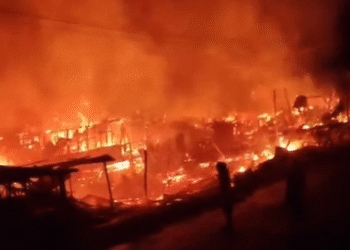
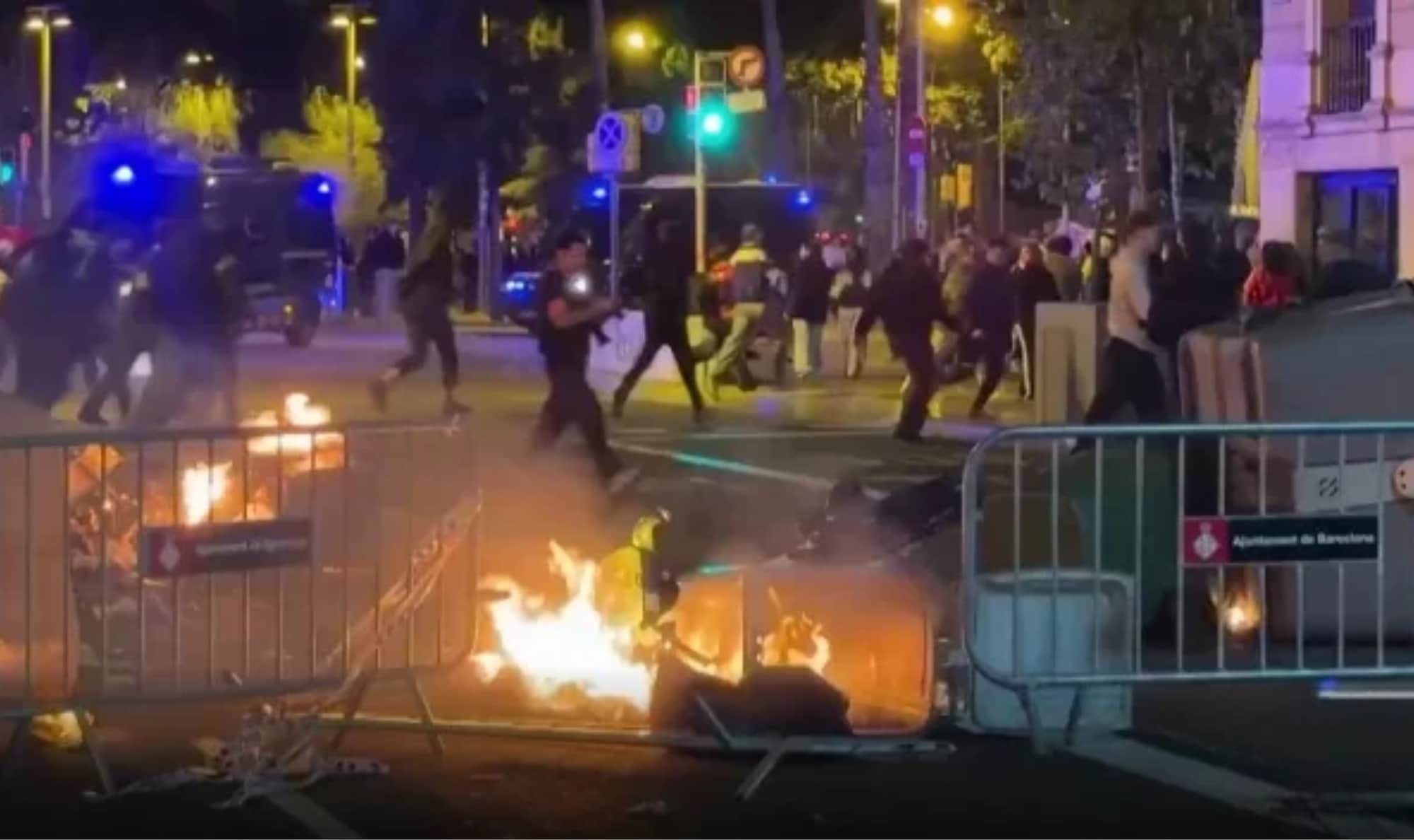
However, as evening fell, tensions boiled over. In Barcelona, groups of protesters clashed with police as furniture and debris were set ablaze on city streets. Meanwhile, in Madrid, riot police deployed tear gas, pepper spray, and foam bullets to disperse crowds gathered around the central Plaza de España. By 2100 GMT, police recorded at least 73 arrests nationwide following 1,044 strike-related incidents, including industrial blockades and burning rubbish containers.
A Boiling Point Over Housing
The nationwide disruption comes less than three weeks before Spain’s snap general election scheduled for November 29, called by Prime Minister Pedro Sanchez. Public anger has reached a fever pitch following weeks of demonstrations sparked by the eviction and subsequent death of an 87-year-old woman in Madrid, coupled with parliament’s recent rejection of government decrees aimed at restricting evictions.
Spain currently faces a deficit of approximately 750,000 homes, a figure projected to exceed one million by 2028. With homeownership slipping out of reach, rental demand has surged. According to the Youth Council of Spain, the average monthly rent of €1,176 ($1,315) now accounts for a staggering 98.7% of the average monthly salary of a young Spanish worker.
“I’m 36 years old, and I still can’t move out on my own,” said Madrid resident Jesus Gonzalez, an IT worker supporting the strike. “Rents just keep going up, house prices just keep going up, and it’s simply impossible.”
Economic Impact and Union Backlash
Despite uneven participation, unions hailed the strike as a major success, reporting 90% turnout across ports and the automotive sector, including complete shutdowns at Volkswagen’s Navarre plant and SEAT’s Barcelona factory. Spain’s electricity demand fell by up to 15.5% during morning hours, and public transit services saw sharp declines in ridership.
Amid the chaos, relations between organisers and authorities soured further when unions threatened to file a criminal complaint over what they termed a “disproportionate” police response, alleging that baton charges and tear gas injured 20 protesters.
As Prime Minister Sanchez’s government attempts to navigate mounting public discontent, the housing crisis has firmly established itself as the defining issue of Spain’s political landscape ahead of the upcoming polls.