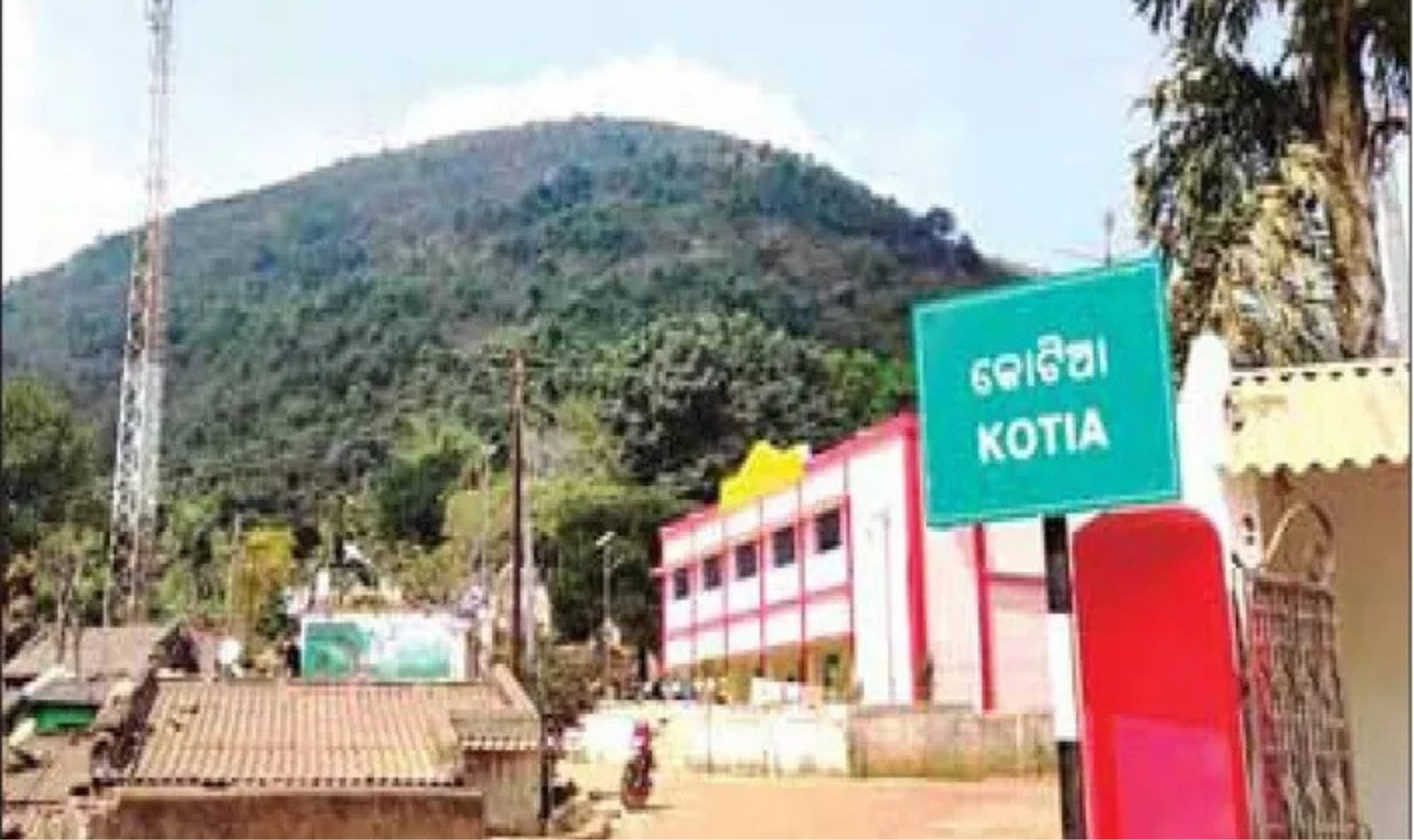
Tensions have flared once again along the contested Odisha–Andhra Pradesh border as residents from the disputed Kotia belt crossed state boundaries to cast their ballots in Andhra Pradesh.
Despite tight security deployments by Odisha authorities, a significant number of local voters made their way to Sarika—a location situated on the Andhra Pradesh side of the border—to participate in the local body elections.
Border Security & Administrative Fallout
The movement of voters across state lines has triggered substantial political backlash against the local Odisha administration. Critics allege that security forces failed to prevent residents from travelling across the border, despite prior warnings and explicit administrative directives designed to uphold Odisha’s territorial jurisdiction.
The development follows a major security push by the Odisha government. Just a day earlier, Odisha Revenue and Disaster Management Minister Suresh Pujari announced the deployment of eight additional platoons of police personnel across the Kotia Gram Panchayat. Prohibitory orders under Section 163 of the Bharatiya Nagarik Suraksha Sanhita (BNSS) were also enacted to maintain law and order and thwart efforts by Andhra Pradesh to set up election machinery in the area.
“The Odisha government is closely monitoring the situation to protect our territorial integrity,” Minister Pujari stated during the announcement. He accused the Andhra Pradesh administration of violating Supreme Court directions regarding the region’s status quo and attempting to lure local tribal residents into participating in its electoral framework.
Political Outcry Over Dual Benefits
Local leaders in Odisha expressed strong opposition to the cross-border voting. Questions are being raised about how residents who actively utilise welfare schemes, public distribution systems (PDS), infrastructure, and facilities provided by the Odisha government could participate in another state’s electoral process.
The Kotia Gram Panchayat has long been a flashpoint between the two neighbouring states, involving 21 villages in the Eastern Ghats. While legal battles over jurisdiction remain pending, administrative friction routinely resurfaces whenever election schedules are announced, leaving border communities caught between competing state authorities.