India will approach the upcoming 31st Conference of the Parties (COP31) to the UNFCCC with a clear, solution-oriented vision centred on equity, predictable climate finance, and practical implementation for the Global South.
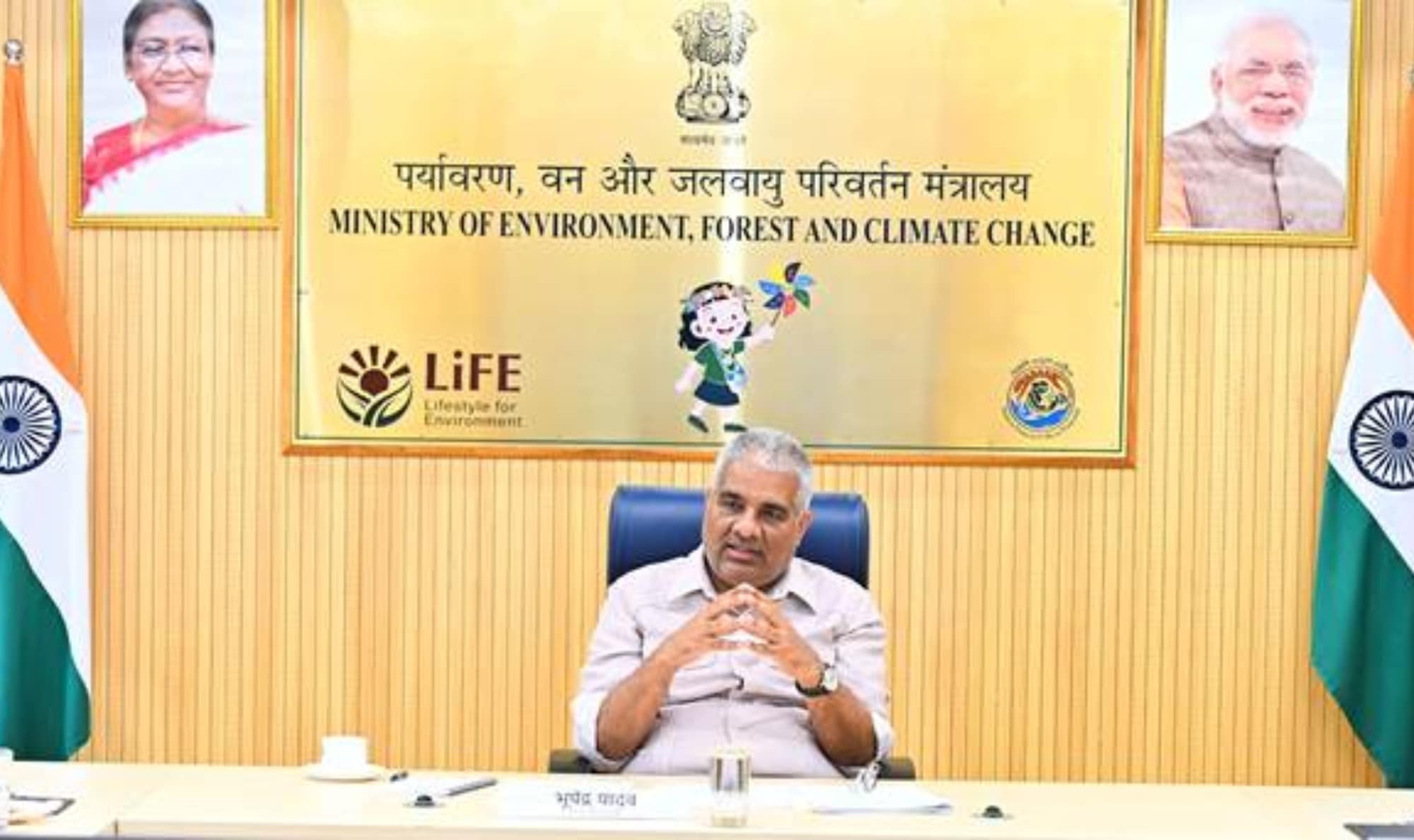
Briefing the media in New Delhi, Union Minister for Environment, Forest and Climate Change, Shri Bhupender Yadav, detailed India’s priorities for COP31—scheduled to take place in Antalya, Türkiye, from 9th to 20th November 2026. The Minister emphasised that India will act as a constructive bridge-builder, aligning closely with key negotiating blocs including the G-77 and China, Like-Minded Developing Countries (LMDC), and BASIC.
Core Focus: Predictable Finance and Party-Driven Outcomes
At the heart of India’s agenda for Antalya is a demand to operationalise a robust Climate Finance Work Programme. Underlining developed countries’ obligations under Article 9.1 of the Paris Agreement, Shri Yadav stressed that climate finance must be predictable, public, and concessional rather than adding to the debt burdens of developing nations.
India will also advocate to keep mitigation measures and the Global Stocktake strictly Party-driven, facilitative, and non-punitive. The Minister firmly ruled out top-down mandates, insisting that Nationally Determined Contributions (NDCs) must respect national circumstances and sovereignty.
Key focus areas outlined by the Ministry include:
-
Voluntary Adaptation Indicators: Ensuring Global Goal on Adaptation (GGA) frameworks remain voluntary and do not act as conditional barriers to accessing funds.
-
Climate-Just Transitions: Supporting the Just Transition Work Programme through the lens of climate justice, development rights, and affordable energy access.
-
Unrestricted Technology Transfer: Addressing cost, trade, and Intellectual Property Rights (IPR) barriers that hinder technology access for developing nations.
-
Separation of Action Agendas: Keeping voluntary initiatives separate from formal negotiations to avoid imposing uniform, rigid global targets.
-
Agricultural Livelihoods: Safeguarding food security, climate adaptation, and the economic wellbeing of small and marginal farmers.
Key Takeaways across global environmental summits
| Conference & Location | Core Focus & India’s Leadership | Key Deliverables & Commitments |
|
UNFCCC COP31 (Antalya, Türkiye) |
Climate Action, Finance & Tech Transfer |
• Launch of Climate Finance Work Programme • LeadIT 3.0 partnership with Sweden • Panels on coastal resilience, IBCA, and forestry |
|
CBD COP17 (Yerevan, Armenia) |
Biodiversity Conservation & Benefit-Sharing |
• Equitable Kunming–Montreal Framework implementation • Defence of developed nations’ finance obligations • DSI benefit-sharing via the Cali Fund |
|
UNCCD COP17 (Ulaanbaatar, Mongolia) |
Land Restoration & Pastoral Ecosystems |
• Restoration of over 26 million hectares by 2030 • Chairing the Asia-Pacific Regional Group • Release of India’s Guide to Grasslands & Open Ecosystems |
Synergy Across Biodiversity and Land Restoration
Highlighting India’s holistic environmental strategy, Shri Yadav also reviewed the outcomes of CBD COP17 in Yerevan and UNCCD COP17 in Ulaanbaatar.
At the biodiversity talks in Yerevan, India reiterated its commitment to the Kunming–Montreal Global Biodiversity Framework (KMGBF), advocating for accessible financial mechanisms, fair Digital Sequence Information (DSI) benefit-sharing via the Cali Fund, and opposing attempts to shift financial burdens onto developing states.
Meanwhile, at UNCCD COP17, India assumed the Chairmanship of the Asia-Pacific Regional Group, reinforcing its target to restore over 26 million hectares of degraded land by 2030. India championed a pivot from reactive drought response to proactive drought resilience, featuring science-based and community-led rangeland restoration that recognises pastoralists as primary custodians.
With senior MoEFCC leadership in attendance—including Secretary Narendra Bhooshan and key Additional and Joint Secretaries—the Ministry reiterated India’s steadfast commitment to delivering actionable, equitable, and science-backed solutions across all global environmental conventions.