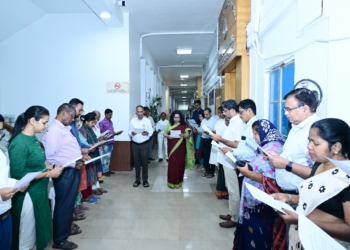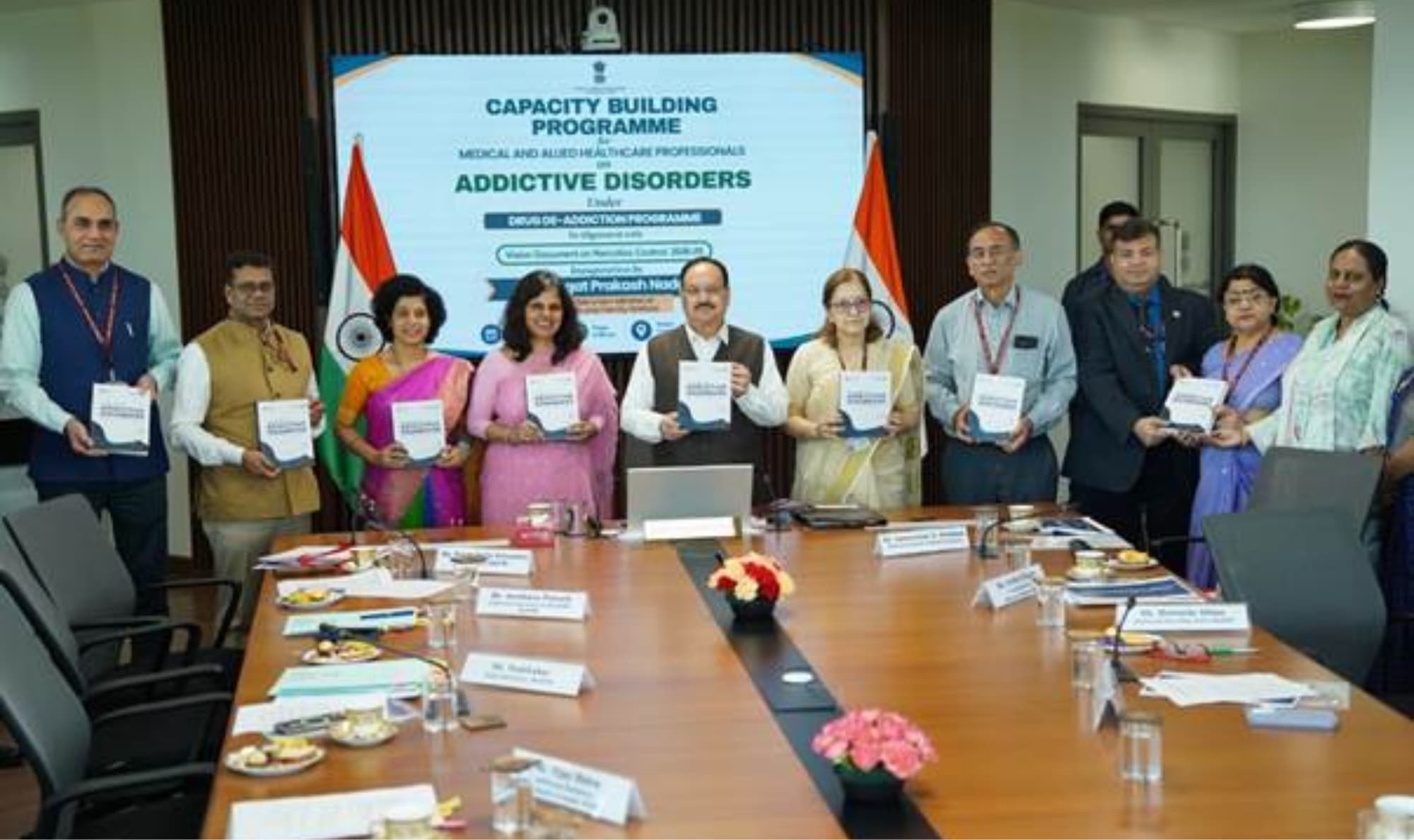
Union Health Minister J.P. Nadda on Monday launched a nationwide Capacity Building Training Programme for medical and allied healthcare professionals engaged in drug de-addiction services, reaffirming the Centre’s commitment to achieving a “Nasha Mukt Bharat” by 2029.
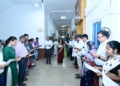
Launched in hybrid mode at Kartavya Bhawan-I, New Delhi, the programme aims to strengthen the skills of healthcare professionals involved in the prevention, identification, assessment, treatment and management of substance use disorders across the country.
Addressing the gathering, Nadda said tackling substance abuse requires a coordinated whole-of-government approach, with ministries and departments working together towards a common objective. He stressed that effective action against drug addiction demands close cooperation among healthcare, social welfare and law enforcement agencies.
“The vision of a Nasha Mukt Bharat cannot be achieved through isolated efforts. Sustained inter-ministerial coordination and collective accountability are essential to address substance abuse and drug trafficking comprehensively,” he said.
The initiative forms part of the Vision Document on Narcotic Control: 2026-2029, unveiled by Union Home Minister Amit Shah earlier this year. Under the roadmap, the Ministry of Health and Family Welfare has been tasked with training 10,000 service providers by March 2029, including doctors, nurses, counsellors, psychologists, social workers and other healthcare personnel involved in de-addiction services.
Nadda also inaugurated online training programmes for doctors, medical officers, nurses, Community Health Officers (CHOs) and Auxiliary Nurse Midwives (ANMs). On the occasion, he released the second edition of “Substance Use Disorder: Manual for Physicians (Management of Addictive Disorders)”, an updated guide designed to help physicians assess and manage addiction-related disorders using evidence-based practices.
Speaking at the event, Health Secretary Punya Salila Srivastava highlighted the need to safeguard India’s youth from substance abuse as the country works toward the goal of a developed nation. She emphasised the importance of strengthening prevention, awareness, treatment and rehabilitation through coordinated efforts across ministries and institutions.
The training programme will be implemented through six central institutions under the Drug De-Addiction Programme (DDAP): the National Drug Dependence Treatment Centre (NDDTC), AIIMS New Delhi; NIMHANS Bengaluru; PGIMER Chandigarh; Central Institute of Psychiatry Ranchi; Dr Ram Manohar Lohia Hospital New Delhi; and AIIMS Bhubaneswar.
According to officials, the programme will adopt a blended learning model combining online live sessions, self-paced digital courses and offline training. More than 800 nominations for online and offline training have already been received from various states through the National Health Mission.
Under the training roadmap, the Health Ministry plans to train 2,000 healthcare professionals during the current financial year, followed by 3,000 in 2027-28 and 5,000 in 2028-29.
Officials said the initiative is expected to expand access to evidence-based addiction treatment, strengthen de-addiction services nationwide and contribute significantly to India’s goal of becoming a drug-free nation by 2029.