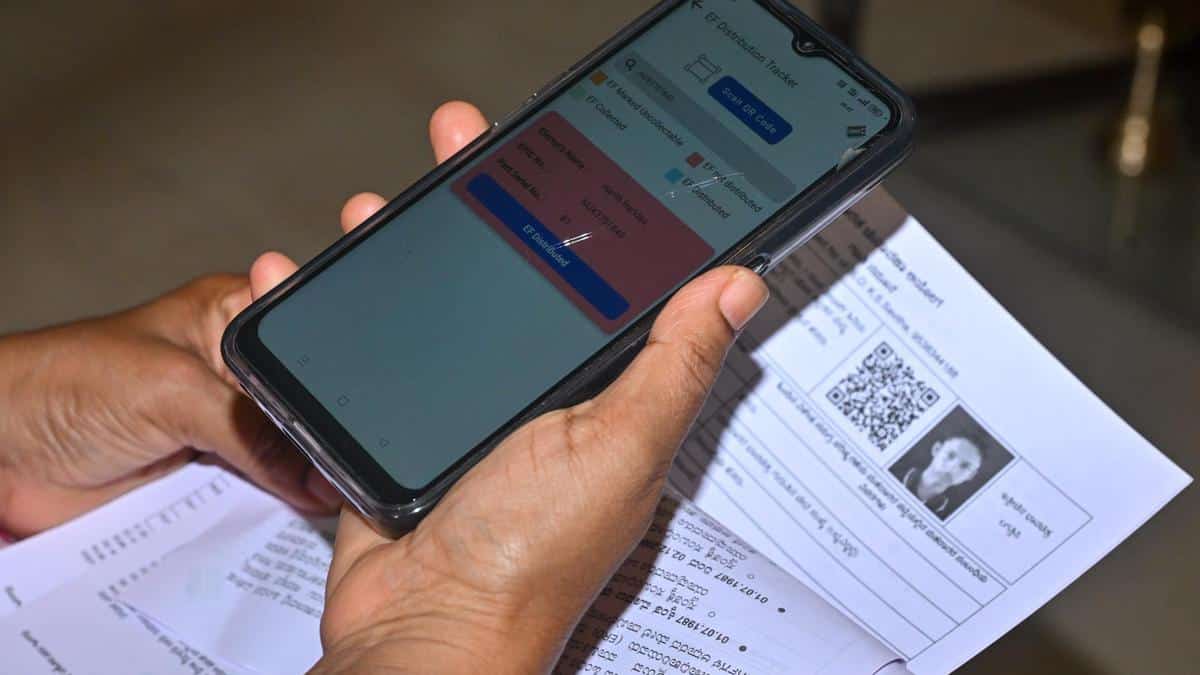
The Election Commission of India (ECI) has declined to disclose the name, version, and technical details of the software used to detect errors and anomalies during its Special Intensive Revision (SIR) exercise, invoking exemptions related to “trade secrets and commercial confidence” under the Right to Information (RTI) Act.
RTI Findings and Legal Exemptions Cited
Responding to an RTI application filed by Telangana-based social activist M.A. Mujeeb Ayyub, the poll panel stated in an October 16 reply that details regarding the software application or AI tools fall under Section 8(1)(d) of the RTI Act. This section exempts information involving commercial confidence, trade secrets, or intellectual property whose disclosure could harm a third party’s competitive position.
The applicant had sought specific clarifications regarding whether automated decision support tools, machine learning (ML), or artificial intelligence (AI) were utilized to flag voter records for deletion or correction, alongside safeguards against false positives. The ECI maintained that queries seeking technical clarifications do not qualify as “information” under Section 2(f) of the Act.
Statutory Powers and Ongoing Scrutiny
Denying that any new software was custom-developed or procured for the SIR exercise, the ECI emphasized that Electoral Registration Officers (EROs) hold sole statutory authority under Sections 13B(1) and 13B(2) of the Representation of the People Act, 1950. The commission noted that EROs make all final determinations on adding or deleting voters based on facts and official records.
Addressing the ECI’s refusal to share identity details of officials reviewing flagged records, the panel cited Section 8(1)(g) of the RTI Act, which protects information that could endanger personal safety or reveal confidential security sources.
Commenting on the development, former Chief Election Commissioner O.P. Rawat urged the applicant to challenge the response, stating:
”This is a legal matter and the applicant must file an appeal to the competent authorities to seek answers to questions ECI is evading.”
The RTI disclosure comes amidst widespread political and public scrutiny over the nationwide SIR exercise, which has resulted in the deletion of 130 million names from Indian electoral rolls, alongside reports of internal procedural dissents recorded by election commissioners over system administration and software access protocols.