In a significant move aimed at reducing road accident fatalities and ensuring prompt medical care for victims, the Odisha government is set to implement the ‘Prime Minister Road Accident Victims Hospitalisation and Assured Treatment’ (PM Rahat) scheme.
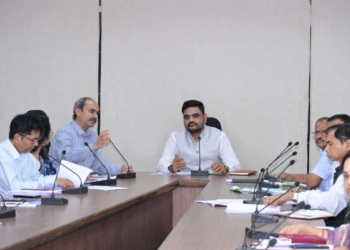
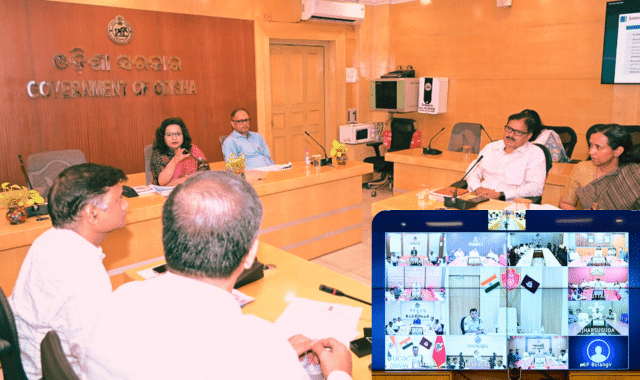
A high-level preparatory meeting, chaired by the Chief Secretary Anu Garg, was held today at the Lok Seva Bhawan conference hall to discuss the rollout.
The meeting was attended by key officials, including Development Commissioner and Additional Chief Secretary Deoranjan Kumar Singh, Commerce and Transport Department Commissioner-cum-Secretary N.B.S. Rajput, Health and Family Welfare Department Commissioner-cum-Secretary Aswathy S., Mission Director of the National Health Mission Dr. Brundha D., State Transport Commissioner Amitabh Thakur, and DGP (Crime Branch) Vinaytosh Mishra. Senior officials from the Transport and Health Departments, along with all district collectors, participated virtually.
Under the PM Rahat scheme, every road accident victim admitted to a hospital within 24 hours of the incident will receive free medical treatment for up to 7 days or a maximum of Rs 1.5 lakh, whichever comes first. The initiative prioritises immediate care, with all expenses covered by the Motor Vehicle Accident Fund. To facilitate quick response, the scheme is integrated with the 112 emergency service, enabling rapid assistance at the accident site. Hospitals will receive timely reimbursements, and emergency notifications will be sent via SMS.
The scheme leverages a coordinated technology platform for transparency and efficiency. Police departments are required to upload accident details to the e-DAR portal within 24 hours, based on which hospitals can initiate claims through the Transaction Management System (TMS). Discussions in the meeting covered institutional setups, monitoring mechanisms, and grievance redressal processes.
At the national level, the scheme is overseen by the Secretary of the Ministry of Road Transport and Highways. In Odisha, it falls under the National Road Safety Council, chaired by the Chief Minister, Transport Minister, or Chief Secretary. At the district level, the District Road Safety Committee, led by the Collector, will monitor implementation.
The Health Department has extended the scheme to hospitals empanelled under the Pradhan Mantri Jan Arogya Yojana (PMJAY), as well as other facilities equipped for emergency care. Coordination between the Health and Transport Departments has been emphasised to ensure seamless execution. Victims facing issues in availing services can file complaints at the district-level grievance cell, with the Collector making the final decision.
Highlighting the urgency, the Chief Secretary Garg noted that Odisha witnesses around 16 road accident deaths daily, making fatality reduction a top government priority. “By ensuring immediate hospitalisation and treatment under the PM Rahat scheme, we can significantly lower this number,” he said. He urged the Health, Transport, and Police departments, along with district administrations, to prioritise preparations and raise public awareness.
The scheme is expected to save lives by addressing the critical ‘golden hour’ post-accident, where timely medical intervention can make a life-saving difference. District collectors were instructed to focus on local-level readiness to support the statewide rollout.