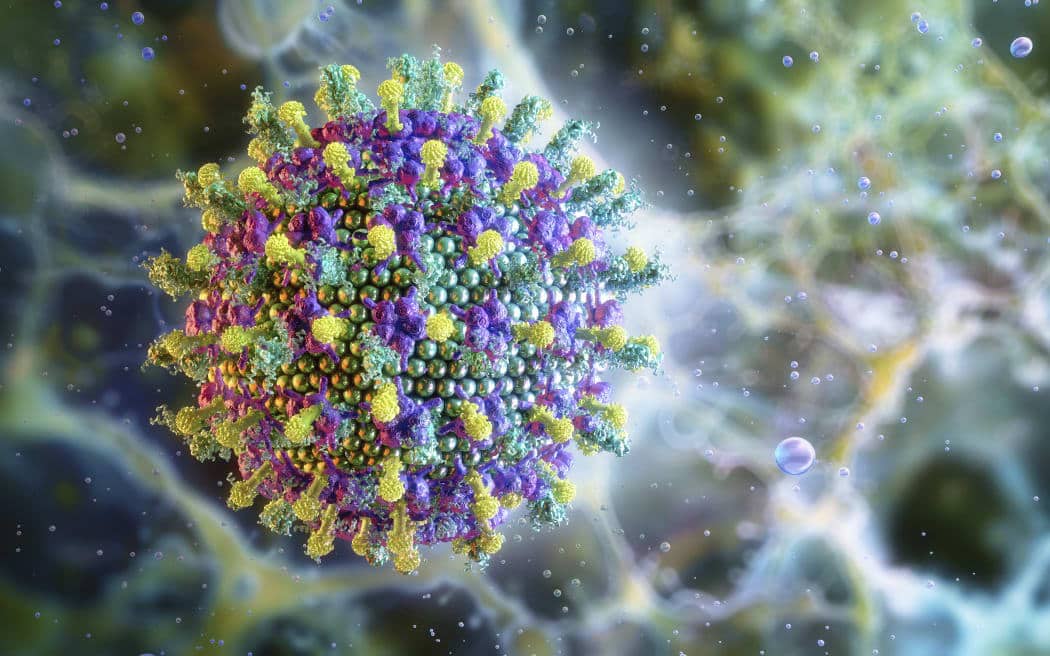
World Health Organization (WHO) Director-General Dr Tedros Adhanom Ghebreyesus has said that Nipah virus infections are rare but serious, while stressing that cases linked to the current outbreak remain confined to India and have not been reported by any other country.
The WHO chief issued the warning on Saturday, highlighting ongoing monitoring and containment efforts by Indian health authorities.
Two Nipah Cases Reported in West Bengal
In a post on social media platform X, Dr Tedros said that two cases of Nipah virus infection reported from West Bengal marked the third occurrence in the state since the virus was first identified in 1998.
He added that Indian authorities are closely monitoring more than 190 contacts, and none have developed symptoms of the disease so far.
Surveillance and Control Measures in Place
According to the WHO chief, health authorities in India have:
-
Strengthened disease surveillance and testing
-
Implemented infection prevention and control measures in healthcare facilities
-
Continued public awareness efforts on protective measures
“These steps are helping to keep the situation under control,” he noted.
WHO Assesses Risk as Low
The warning came a day after the WHO stated that the risk of wider spread remains low, citing the absence of evidence suggesting increased human-to-human transmission.
The global health body also said there is no need for travel or trade restrictions at this stage.
Patients Show Signs of Recovery
The two confirmed cases were reported from North 24 Parganas district in West Bengal, involving two nurses. Health officials later confirmed that both patients tested negative for the virus following treatment.
-
The male nurse has been discharged
-
The female nurse has been taken off ventilator support and remains under observation
According to a WHO release, both patients developed symptoms of severe Nipah virus infection in late December 2025 and were admitted to hospital in early January 2026. As of January 21, 2026, one patient showed clinical improvement, while the other remained under critical care.
What Is Nipah Virus?
The WHO has said that the Nipah virus spreads from bats to humans, either through close contact or consumption of contaminated food.
Common symptoms include:
-
Fever
-
Headache
-
Muscle pain
These early symptoms can make the infection difficult to detect. In severe cases, the virus can cause brain swelling (encephalitis).
The fatality rate associated with Nipah virus infection ranges between 40 per cent and 75 per cent, depending on the outbreak and access to timely medical care.
Outlook
Health authorities continue to monitor the situation closely. The WHO has reiterated that early detection, contact tracing, and public awareness remain critical to preventing further transmission.