
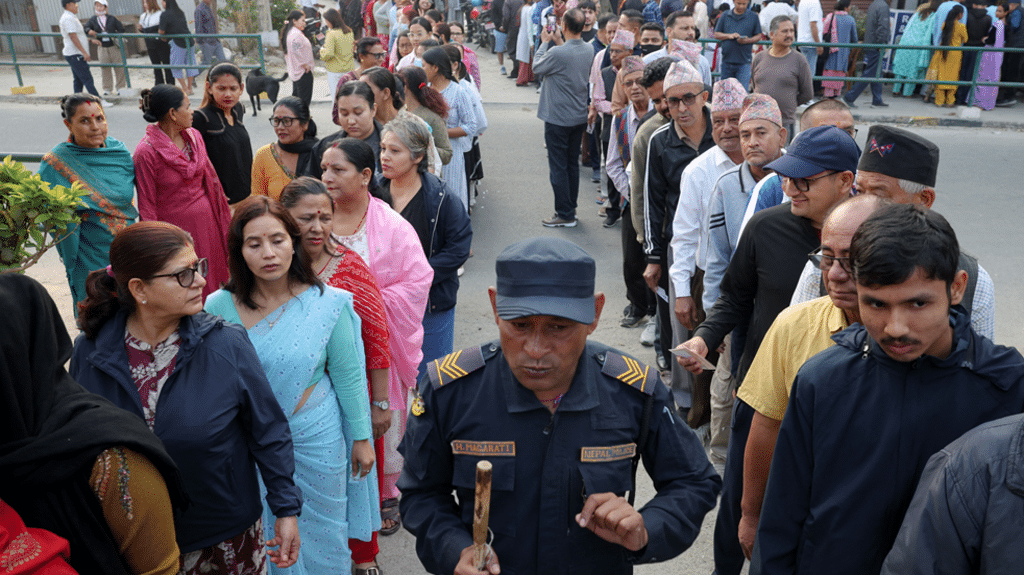
Voting for the Nepal General Election 2026 began on Thursday, marking a critical moment in the country’s political landscape after months of unrest and youth-led protests demanding reform and accountability.
Nearly 19 million eligible voters are expected to cast their ballots to elect representatives to Nepal’s 275-member House of Representatives, the lower chamber of the federal parliament. The election is widely seen as one of the most competitive polls in the Himalayan nation since the end of its civil war in 2006.
Polling began at 7:00 am local time (6:45 am IST) and will continue until 5:00 pm across the country.
Election Held After Anti-Corruption Protests
The election follows a period of political instability after mass anti-corruption demonstrations in September 2025 forced the previous government to step down. The protests, largely led by Gen Z activists, resulted in at least 77 deaths and widespread damage to government buildings and parliament.
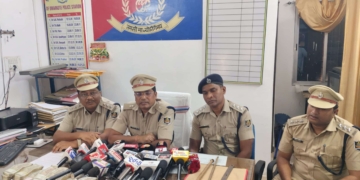
Interim Prime Minister Sushila Karki urged citizens to vote peacefully and confidently. Thousands of security personnel and police officers have been deployed nationwide to maintain order at polling stations.
Many voters view this election as a turning point for Nepal’s political future.
Key Candidates in the Race
Several prominent political figures are competing in the election, representing both traditional leadership and emerging youth-driven movements.
KP Sharma Oli, a 74-year-old Marxist leader and former prime minister, is attempting a political comeback after losing power last year.
He faces a strong challenge from Balendra Shah, a 35-year-old rapper-turned-politician and former mayor of Kathmandu, who has gained popularity among younger voters advocating for political reform.
Another major contender is Gagan Thapa, the 49-year-old leader of the Nepali Congress, one of Nepal’s oldest and most influential political parties.
A closely watched contest is taking place in Jhapa-5 constituency, where Oli and Shah are competing directly for a parliamentary seat representing around 163,000 voters.
How Nepal’s Electoral System Works
Nepal uses a mixed electoral system that combines First-Past-The-Post (FPTP) and Proportional Representation (PR) voting.
Voters cast two ballots on election day:
- One vote for an individual candidate in their constituency
- One vote for a political party
Out of the 275 seats in parliament:
- 165 seats are decided through direct constituency elections
- 110 seats are allocated through proportional representation based on party vote share
The 165 constituencies are distributed across Nepal’s seven provinces.
Logistics Challenges in Mountain Regions
Transporting voting materials across Nepal’s rugged mountainous terrain remains a major challenge. Authorities used helicopters to deliver ballot boxes and election supplies to remote Himalayan regions, including areas near Mount Everest.
While elections are being held nationwide, significant attention is focused on the southern plains near Kathmandu, where several key candidates are contesting.
Voters Hope for Reform and Economic Growth
Many voters say they want the next government to address corruption, unemployment, and economic stagnation.
Younger candidates have campaigned on promises of economic reform, transparency, and modern governance, challenging veteran politicians who have dominated Nepal’s