

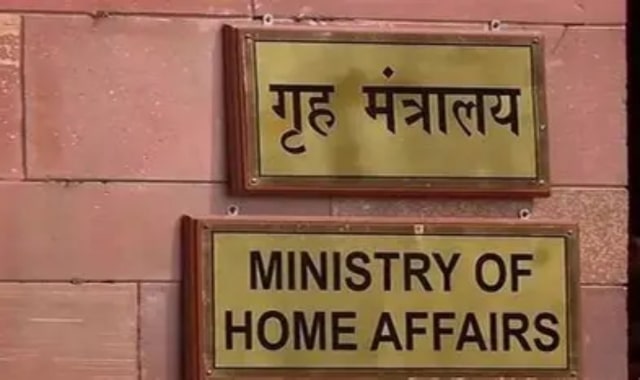
The Union Home Ministry urges states to remain vigilant against communal unrest in India after the US-Israel strikes on Iran.
In a letter dated February 28, the ministry advised state governments to monitor radical pro-Iran preachers delivering inflammatory sermons. Officials warned that tensions in the Middle East could trigger ripple effects within India, with organisations staging protests and demonstrations. The advisory stressed intelligence sharing and preventive measures to safeguard law and order.
Protests erupted across several cities following the killing of Iran’s Supreme Leader Ayatollah Ali Khamenei in a US-Israel airstrike. In Kashmir, demonstrations spread through Lal Chowk, Saida Kadal, Budgam, Bandipora, Anantnag, and Pulwama. Authorities throttled mobile internet speeds to prevent escalation. Police urged media organisations to act responsibly in their coverage of unfolding events.
Security tightened in Delhi as crowds gathered to mourn Khamenei’s death. Additional personnel were deployed around diplomatic missions and Shia-dominated neighbourhoods. Uttar Pradesh also witnessed large-scale protests. On Sunday evening, Shia Muslims in Lucknow held a candlelight march from Chhotta Imambara to Bada Imambara.
India continues to monitor the geopolitical fallout. Officials fear extremist elements could exploit heightened emotions to escalate tensions domestically. The government emphasised restraint while tracking developments abroad, particularly Iran’s retaliatory strikes on neighbouring countries hosting US military bases.
The advisory reflects India’s dual focus: maintaining domestic stability and protecting its diaspora in the Gulf region. By urging vigilance and restricting internet services in sensitive areas, authorities aim to prevent unrest while balancing international caution.