
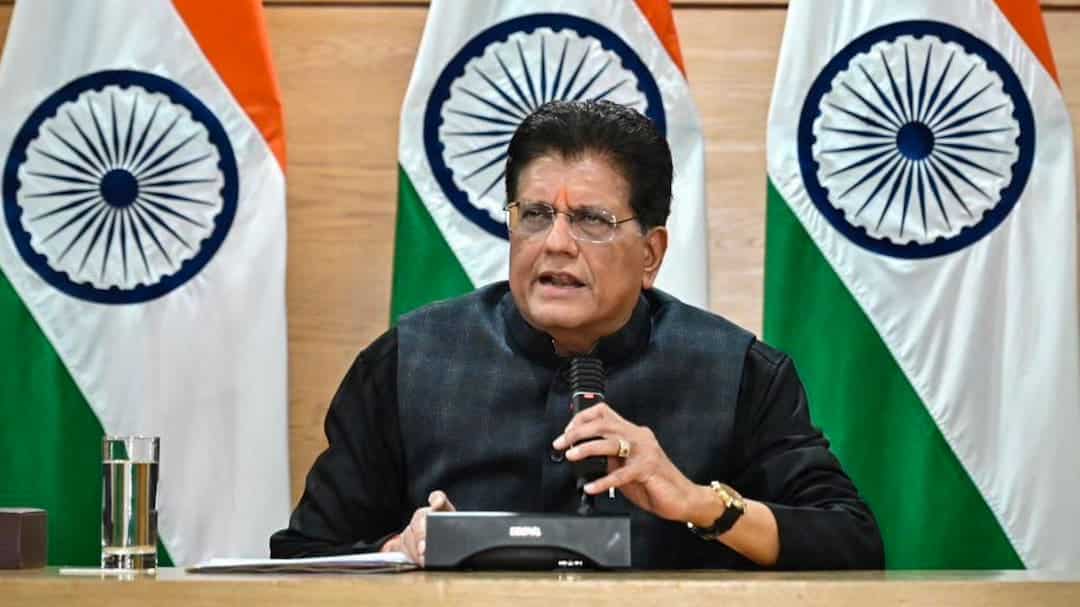
India will not extend import concessions to the United States on agricultural products under the proposed bilateral trade agreement, Union Commerce and Industry Minister Piyush Goyal said on Saturday. The decision, he explained, reflects India’s strong domestic capacity and self-sufficiency in the agricultural sector.
Addressing a press conference, Goyal referred to the India–US joint statement on trade, noting that agriculture remains a sensitive area for India due to its direct impact on farmers, rural livelihoods, and food security.
Wide Range of Farm Products Excluded
According to the commerce minister, the list of products excluded from import benefits includes:
-
Meat and poultry
-
Dairy products
-
Soybean and maize
-
Rice, wheat, cereals, and millets (jowar, bajra, ragi)
-
Fruits and green tea
-
Oilseeds, groundnuts, and honey
-
Non-alcoholic beverages, ethanol, and tobacco
Goyal emphasised that India’s policy stance is guided by the need to protect domestic producers and ensure long-term economic stability.
Consistent Trade Policy Approach
India has historically kept agriculture and allied sectors outside the scope of most free trade agreements. Products such as dairy, cereals, rice, wheat, poultry, meat, soymeal, maize, and genetically modified foods have remained protected due to their importance to the national economy.
This approach differs from some of India’s recent trade agreements with partners such as the European Union, the United Kingdom, and Australia, where select concessions were negotiated.
Zero-Duty Access for Key Indian Exports
Expanding on the trade framework, Goyal said the proposed India–US trade pact could provide Indian exporters access to a $30 trillion market, benefiting MSMEs, farmers, fishermen, women, and young entrepreneurs.
He added that several Indian exports to the US will continue to enjoy zero-duty access, including:
-
Gems and diamonds
-
Pharmaceutical products
-
Smartphones and electronic goods
“In the coming years, many such products will attract zero duty, strengthening India’s export competitiveness,” the minister said.
Opportunities for Indian Farmers
While import concessions are restricted, Indian agricultural exports will gain from zero reciprocal tariffs on a wide range of products, including:
-
Spices, tea, and coffee
-
Coconut and coconut oil
-
Vegetable wax
-
Areca nut, Brazil nut, cashew, and chestnut
-
Selected fruits and vegetables
The government expects the growth in exports to generate lakhs of new employment opportunities, particularly for women and youth across rural and semi-urban regions.