

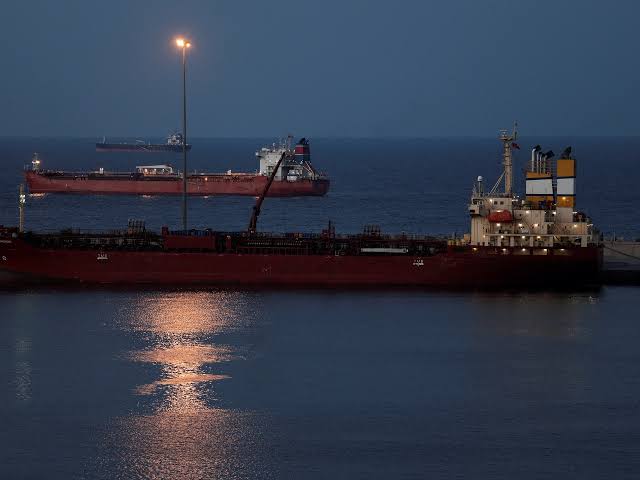
India has received its first crude oil shipment through the strategically critical Strait of Hormuz since the outbreak of hostilities involving Iran, the United States, and Israel.
The Liberia-flagged tanker Shenlong Suezmax, carrying Saudi crude oil, successfully arrived at Mumbai Port on Wednesday after navigating the volatile maritime corridor where commercial shipping has significantly declined due to security concerns.
Vessel Carried Over 135,000 Metric Tonnes of Crude
The tanker loaded crude oil from Ras Tanura Port in Saudi Arabia on March 1 and departed two days later. Maritime tracking data from Lloyd’s List Intelligence and TankerTrackers indicated that the vessel was last recorded inside the Strait of Hormuz on March 8.
The tanker later reached Mumbai at around 1 pm and was berthed at Jawahar Dweep at approximately 6:06 pm, according to officials from the Mumbai Port Authority.
Deputy Conservator Praveen Singh confirmed that the vessel is carrying 1,35,335 metric tonnes of crude oil, which is currently being discharged and will be transported to refineries in Mahul in eastern Mumbai.
Ship Temporarily Went “Dark” While Crossing Strait
During its journey through the tense region, the vessel reportedly switched off its Automatic Identification System (AIS) transponders, temporarily disappearing from tracking systems.
Such measures are increasingly used by ships navigating the Strait of Hormuz amid fears of attacks or surveillance in the conflict zone.
The tanker reappeared on maritime tracking databases on March 9 after safely exiting the most dangerous stretch of the route.
Strait of Hormuz Remains Critical Global Oil Route
The Strait of Hormuz is one of the world’s most important maritime chokepoints, with nearly 20 percent of global crude oil trade passing through it.
However, recent tensions have disrupted shipping after Iran warned that oil tankers — except those heading to certain destinations — may not be allowed safe passage through the waterway.
Several merchant vessels have also reportedly faced threats and attacks since the conflict escalated.
Indian Ships Still Navigating Risky Waters
Despite the successful arrival of the Shenlong tanker, several Indian vessels remain near the Strait of Hormuz.
According to the Directorate General of Shipping, 28 Indian-flagged ships were operating in or near the region when the conflict began.
At least seven vessels — including Desh Mahima, Desh Abhiman, Swarna Kamal, Vishva Prerna, Jag Viraat, Jag Lokesh, and LNGC Aseem — have since moved to safer waters in the Arabian Sea. Another ship, Jag Lakshya, has reportedly headed toward Angola.
Shipping authorities said there are currently no formal restrictions preventing Indian ships from transiting the Strait of Hormuz, but vessel operators are advised to carefully assess security risks and maintain situational awareness.
Relief for India’s Energy Supply
The successful arrival of the tanker is expected to ease concerns over potential energy shortages in India. More than half of the country’s crude oil and natural gas imports pass through the Strait of Hormuz, making the route vital for the nation’s energy security.