

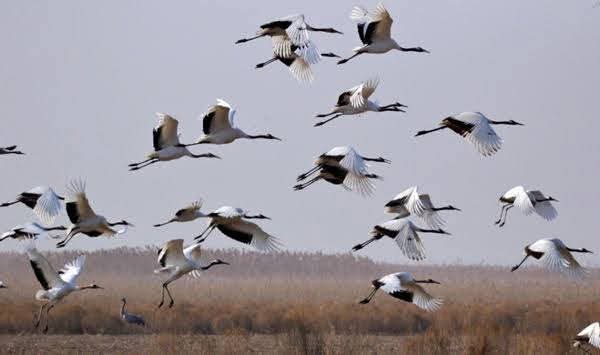
The annual bird census at Chilika Lake, Asia’s largest brackish water lagoon and a vital wintering site for migratory birds, has concluded with encouraging results.
Enumerators recorded 1,132,200 birds from 196 species, reflecting a rise of 4,972 birds compared to last year’s count of 1,127,228 birds from the same number of species.

The census took place in a single day, from 6:00 AM to 12:00 noon, across five ranges: Tangi, Balugaon, Satpada, Nuapada, and Rambha. A total of 130 enumerators, divided into 22 teams of 4-5 members each, conducted the count in both aquatic and terrestrial areas of the lake.
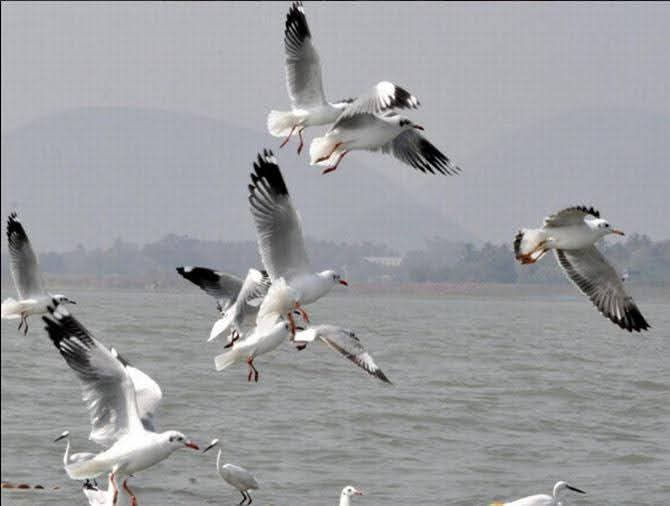
The operation involved a diverse group of participants, including Retired forest officials, Chilika Development Authority (CDA) staff; Professors and students from Odisha University of Agriculture and Technology (OUAT), NGO representatives; Tourist guides; Police inspectors; Bird experts, environmentalists, wildlife department personnel; Senior researchers from the Bombay Natural History Society (BNHS).
Eighteen boats supported the effort, and drones aided the counting for the first time this year. To ensure minimal disturbance, authorities banned tourist boating and fishing in key bird congregation zones during the exercise. Teams used binoculars, field guides, and other technical equipment for accurate identification and counting.

Wildlife officials attribute the increase in bird numbers to sustained conservation measures, improved habitat management, and reduced human interference in the lagoon.
Chilika remains one of India’s most important wetlands, attracting both resident and long-distance migratory birds each winter. The stable species count at 196, combined with the population growth, signals positive ecosystem health.