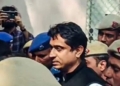


Iran has sentenced acclaimed filmmaker and Cannes Palme d’Or winner Jafar Panahi to one year in prison and imposed a travel ban for allegedly engaging in “propaganda activities” against the state. The verdict, delivered in absentia, was confirmed by his lawyer Mostafa Nili, who spoke to AFP on Monday.
According to Nili, the sentence also includes a two-year travel ban and prohibits Panahi from joining any political or social organizations. He added that legal steps are already underway to file an appeal. “Mr Panahi is currently outside Iran,” Nili said, without providing details on the allegations.
Panahi, 65, earned global acclaim this year after winning the Palme d’Or at the Cannes Film Festival for his film It Was Just an Accident. The movie follows five former prisoners wrestling with whether to confront a man they suspect was once their jailer. The award drew widespread attention in international media, and Panahi later toured the United States to promote the film, which is also France’s official entry for the upcoming Academy Awards.
The celebrated director has a long history of recognition at major film festivals. His debut feature, The White Balloon, won the Best First Feature Award at Cannes in 1995. Despite this success, Panahi’s career has been marked by frequent government restrictions. In 2010, he faced a ban on filmmaking and international travel after supporting anti-government protests and producing films critical of conditions in Iran. Convicted on charges of “propaganda against the system,” he was sentenced to six years in prison but served only two months before being released on bail.
The director has continued to create work despite the restrictions. His documentary This Is Not a Film famously reached Cannes in 2011 via a flash drive hidden in a cake. His 2015 film Taxi—shot entirely inside a car—won accolades for its innovative style. In 2022, he was arrested again amid protests involving Iranian filmmakers, though he was released after nearly seven months.
Panahi’s case reflects a broader pattern in Iran, where filmmakers, journalists, and public figures are closely monitored, and their work is subject to state scrutiny. Last year, fellow award-winning director Mohammad Rasoulof fled Iran to avoid imprisonment on charges of “collusion against national security.”