

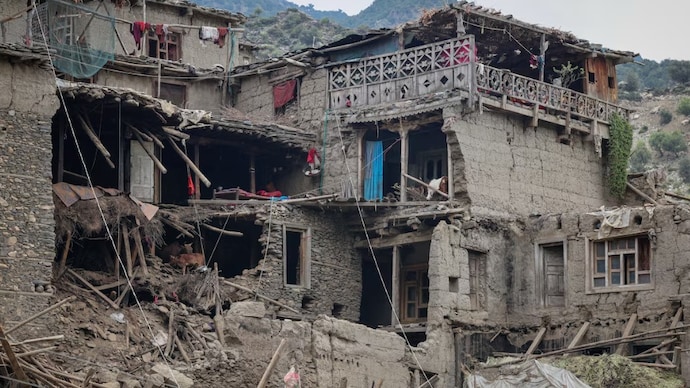
At least seven people have been killed and more than 150 others injured after a 6.3-magnitude earthquake struck Mazar-e-Sharif, one of Afghanistan’s largest cities, early on Monday morning.
According to Reuters, citing the local health directorate, hospitals across the city are treating dozens of people for injuries caused by falling debris and collapsing structures. Rescue teams continue to search through the rubble for survivors, and officials have warned that the death toll may rise as more information becomes available.
Epicentre and Seismic Data
The US Geological Survey (USGS) reported that the quake struck at a depth of 28 kilometres (17.4 miles) near Mazar-e-Sharif, home to a population of over 523,000 residents. The agency issued an orange alert under its PAGER system, indicating that “significant casualties are likely and the disaster could be widespread.”
Initially, reports suggested a magnitude of 6.2; however, the USGS later confirmed it as 6.3.
Tremors Captured on Camera
Footage circulating on social media shows the moment tremors hit the city, with CCTV cameras recording residents rushing for safety as walls and furniture shook violently. Other videos reveal the aftermath — homes reduced to rubble, vehicles damaged, and emergency workers helping victims trapped beneath debris.
One widely shared clip shows rescuers pulling bodies from collapsed structures, while others search for survivors amid the wreckage.
Series of Deadly Quakes
Monday’s quake follows a series of devastating tremors in Afghanistan this year. In August 2025, a 6.0-magnitude earthquake killed more than 2,200 people and injured thousands more, according to the Taliban’s disaster management agency.
Earlier estimates placed the death toll at 1,400, but the figure rose as rescue and recovery operations continued.
Afghanistan’s High Seismic Risk
Experts note that Afghanistan lies on the collision zone between the Indian and Eurasian tectonic plates, making it one of the most earthquake-prone regions in the world. Many of the country’s quakes are shallow, releasing intense energy close to the surface and causing severe destruction in densely populated areas.
Authorities have urged residents in northern Afghanistan to remain alert as aftershocks continue to be felt across several provinces.