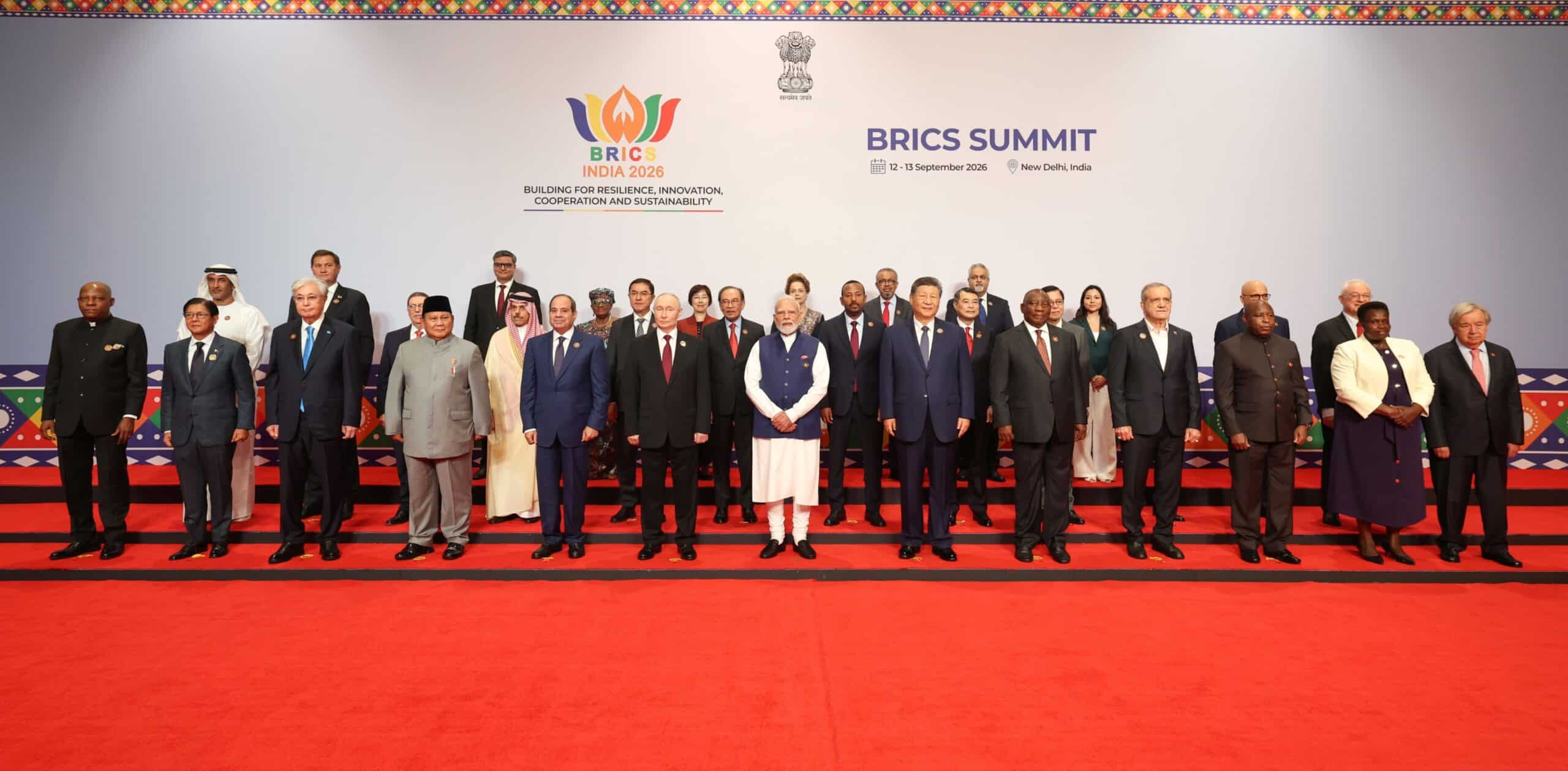
In a remarkable display of diplomatic agility, Prime Minister Narendra Modi packed 15 bilateral meetings into just three days during the 18th BRICS Summit in New Delhi.
The summit, themed “Building Resilience, Innovation, Cooperation and Sustainability”, brought together leaders from across the globe, offering India a powerful platform to reinforce its role as a bridge between major powers and the Global South.
Modi’s schedule was nothing short of a diplomatic sprint. His meeting with Russian President Vladimir Putin reaffirmed defence and energy cooperation, with commitments on S-400 deliveries, BrahMos upgrades, and a $100 billion trade target by 2030. Despite the war in Ukraine, Russia assured India of its long-term commitments.
Equally significant was the first visit by Iran’s President Masoud Pezeshkian, where talks focused on the Strait of Hormuz, Chabahar port, and regional connectivity. Modi emphasized dialogue and diplomacy as the way forward in West Asia.
With UN Secretary-General Antonio Guterres, discussions centered on global conflicts, multilateral reforms, and the concerns of developing nations. Meanwhile, Chinese President Xi Jinping’s first India visit in nearly seven years underscored the importance of peace along the border. Modi stressed that stability at the frontier is essential for progress in trade and mobility.
Beyond these high-profile engagements, Modi met leaders from Ethiopia, Malaysia, UAE, Vietnam, Kazakhstan, Philippines, Egypt, South Africa, Burundi, Nigeria, and Uganda. The conversations revolved around resilient supply chains, local currency trade, and institutional reforms—issues critical to the Global South.
Through this packed agenda, India leveraged its BRICS chairship to amplify its voice on global reforms, supply chain resilience, and conflict de-escalation. Modi’s message was clear: India seeks to balance strategic partnerships with a strong commitment to peace and cooperation.