
Odisha’s network of Anganwadi centres, crucial for early childhood care and nutrition, faces significant infrastructure challenges.
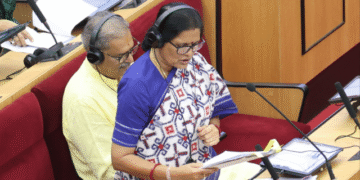
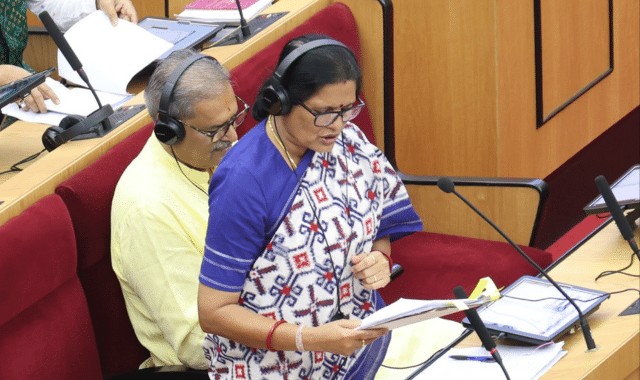
Out of the total 74,224 Anganwadi centres operating across the state, a staggering 19,145 do not have their own dedicated buildings, according to information provided by Deputy Chief Minister Pravati Parida, who oversees the Women and Child Development Department.
In a written response to a query raised by MLA Bibhuti Bhushan Balbantray during the assembly session, Deputy CM Parida shared these details along with a comprehensive district-wise breakdown. This revelation highlights the uneven distribution of resources and the urgent need for investment in rural and tribal areas where many centres operate from makeshift or rented spaces, potentially impacting services for children and mothers.
Balasore district tops the list with the highest number of affected centres at 1,701, followed by Cuttack (1,310), Mayurbhanj (1,202), Sundargarh (1,145), and Ganjam (1,120). Other districts with over 1,000 such centres include Puri (1,048) and Khordha (934). Mid-range figures are seen in Jajpur (893), Bargarh (852), Kendrapara (828), Bhadrak (802), and Keonjhar (798). Gajapati reports 746, Balangir 623, Rayagada 590, Nayagarh 548, and Jagatsinghpur 524.
Lower numbers are recorded in Kalahandi (496), Koraput (484), Kandhamal (427), Nabarangpur (386), Subarnapur (352), Angul (341), Sambalpur (281), Nuapada (217), Malkangiri (156), Boudh (118), Dhenkanal (116), Jharsuguda (87), and Deogarh, with the lowest at just 20.
These centres, part of the Integrated Child Development Services (ICDS) scheme, provide essential services like supplementary nutrition, pre-school education, immunisation, and health check-ups for children under six, as well as support for pregnant and lactating women. The lack of permanent structures could hinder effective operations, especially in remote areas prone to weather disruptions.