
In a significant push to uplift the lives of those on the frontlines of urban cleanliness, the Odisha government is ramping up initiatives under the National Action for Mechanised Sanitation Ecosystem (NAMASTE) and its state-led GARIMA program.
These efforts aim to transform hazardous sanitation work into safe, dignified, and sustainable livelihoods for sanitation workers and waste pickers.
Launched nationally in July 2023 by the Ministry of Social Justice and Empowerment in partnership with the Ministry of Housing and Urban Affairs, NAMASTE focuses on eradicating dangerous manual cleaning practices in sewers and septic tanks. By integrating mechanised tools and safety protocols, the scheme strives for zero fatalities while promoting professional training and economic empowerment. In Odisha, NAMASTE is seamlessly aligned with GARIMA, a flagship initiative that honours sanitation workers and waste pickers as vital contributors to public health, providing them with social security and livelihood safeguards.
At the heart of NAMASTE lies a commitment to formalising and rehabilitating workers involved in high-risk tasks. Key measures include profiling Sewer and Septic Tank Workers (SSWs), mandatory occupational safety training, distribution of Personal Protective Equipment (PPE) kits, and health coverage under the Ayushman Bharat-Pradhan Mantri Jan Arogya Yojana (PMJAY). The program also offers upfront capital subsidies for sanitation vehicles and mechanised equipment, alongside awareness campaigns to foster a culture of safety and respect in sanitation services.
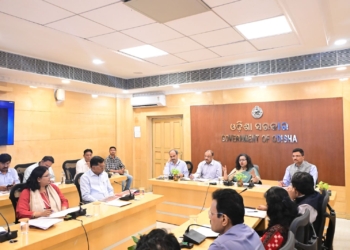
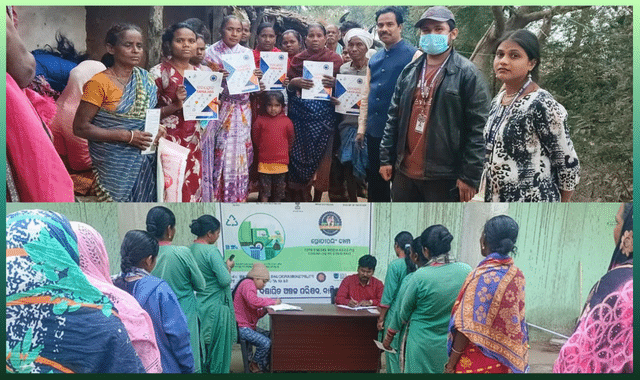
Usha Padhee, Additional Chief Secretary of the Housing & Urban Development Department, highlighted the synergy between the two schemes: “The alignment of NAMASTE with GARIMA underscores our government’s unwavering dedication to dignity of labour, social protection, and long-term livelihood security for sanitation workers and waste pickers, who are the unsung heroes of urban hygiene and health.” She noted that an enrollment drive is actively progressing across Urban Local Bodies, coordinated by the department.
Waste pickers, integral to solid waste management, are also a priority under this framework. The initiatives include structured enumeration, skill enhancement programs, provision of need-based PPE, health insurance, and financial aid for waste collection vehicles and self-employment ventures. This holistic approach extends to forming Self-Help Groups (SHGs) and encouraging entrepreneurship, opening doors to economic independence.
Notably, elements from the former Self-Employment Scheme for Rehabilitation of Manual Scavengers (SRMS)—such as skill development, health insurance, and capital subsidies—have been integrated into NAMASTE, creating a more robust and unified rehabilitation system.
Through these programs, Odisha is setting a benchmark in mechanised sanitation, emphasising social justice and inclusive urban growth. By prioritising the dignity, safety, and empowerment of its sanitation workforce, the state is not only enhancing public health but also building a more equitable society.