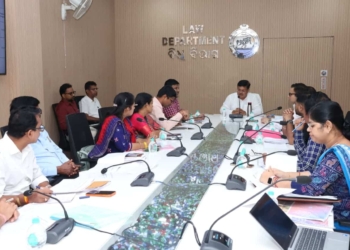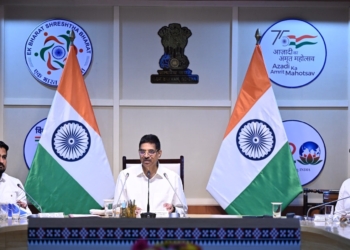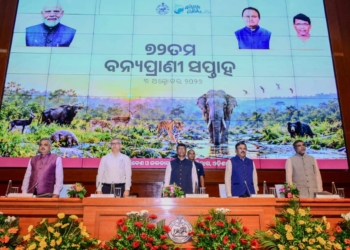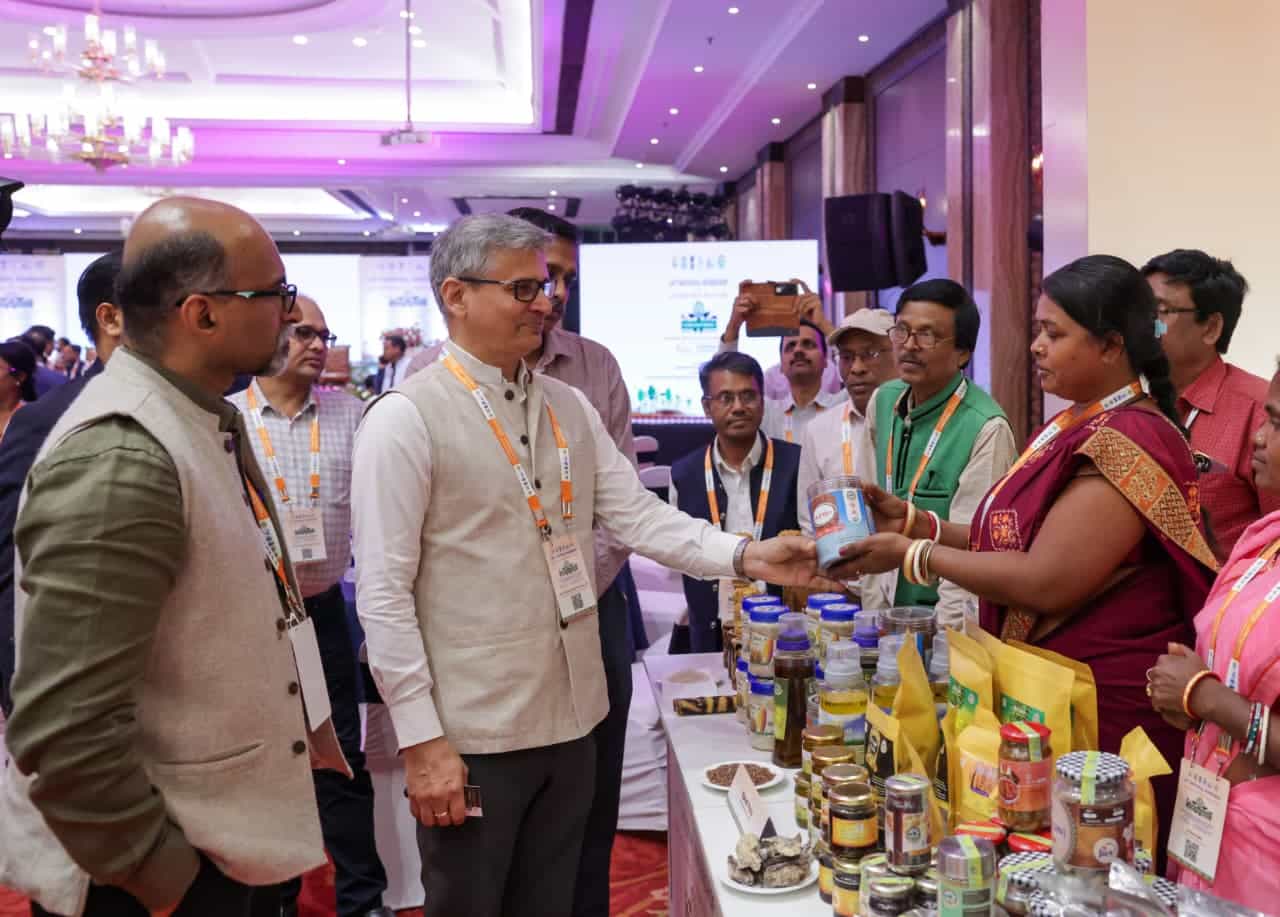
The 14th National Workshop of JICA Assisted Forestry Projects in India wrapped up its second and final day today with a strong call for transforming India’s forestry sector into a resilient, market-driven green economy.
Organised by the Odisha Forestry Sector Development Project Phase-II (OFSDP-II) in collaboration with the Japan International Cooperation Agency (JICA), the workshop at Hotel Mayfair Convention brought together senior forest officials, researchers, industry leaders and community representatives from across the country.
Deliberations on the concluding day revolved around three interlinked priorities: strengthening sustainable wood supply chains, scaling forest certification, and expanding agroforestry to meet surging domestic and international demand for responsibly sourced timber.
Principal Secretary, Forest, Environment & Climate Change Department, Government of Odisha, Bhaskar Jyoti Sharma, who was the Chief Guest at the valedictory session, described the workshop as a “powerful demonstration of what coordinated state–international partnership can achieve”. He interacted directly with members of Vana Surakshya Samitis (VSS) and Self-Help Groups, reaffirming Odisha’s commitment to linking ecological restoration with livelihood security.
Senior Representative of JICA India, Wakamatsu Eiji, joined the session as a special invitee. Development Specialist at JICA India, Siddharth Parameswaran, presented the workshop outcomes and outlined the future roadmap. He identified climate adaptation, wood transformation, and digital transformation as the three strategic pillars of the next phase of Indo-Japanese cooperation in forestry.
A dedicated thematic session on “Wood Transformation and Forest Certification” highlighted the growing importance of credible certification systems. Experts stressed that frameworks such as the Forest Stewardship Council (FSC) and India’s own PRAMAAN certification are essential to connect smallholder farmers and community-managed forests with responsible global and domestic markets.
Technical sessions showcased successful models from Karnataka, Tamil Nadu and Odisha, including the use of advanced genetic planting stock, modern wood processing technologies such as Cross Laminated Timber (CLT), and the integration of digital public infrastructure as interoperable decision-support systems rather than isolated platforms.
Dr K. Murugesan, Principal Chief Conservator of Forests & Head of Forest Force, Odisha, addressed the gathering as Guest of Honour. The session opened with a welcome address by G. Rajesh, Additional PCCF (Projects) & Project Director, OFSDP-II, and concluded with a vote of thanks by Swayam Mallick, Joint Project Director, OFSDP-II.