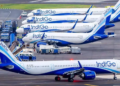

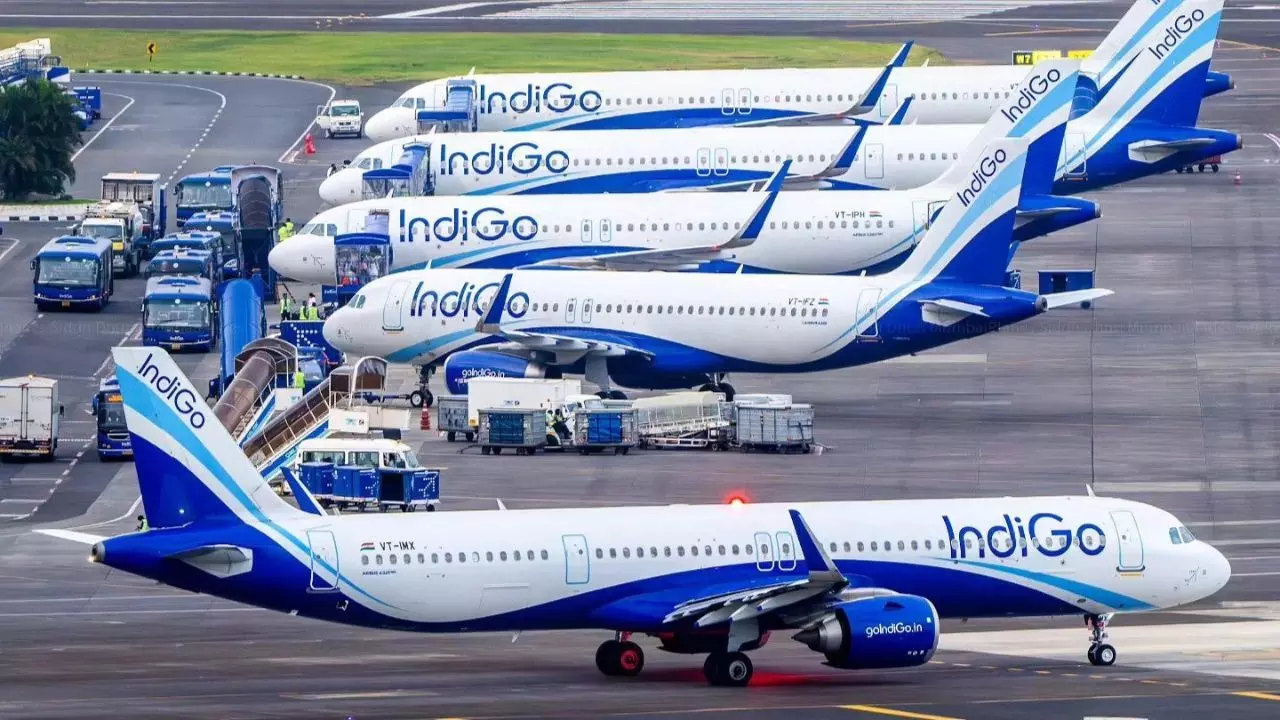
India’s largest airline, IndiGo, cancelled more than 150 flights on Wednesday, causing widespread disruption at major airports across the country. The cancellations stemmed from the airline’s struggle to adjust to stricter Flight Duty Time Limitations (FDTL) introduced in November, combined with an unexpected software update for Airbus A320 aircraft.
Passengers at airports in Delhi, Bengaluru, Hyderabad and Mumbai faced long queues, delays and last-minute cancellations. Many reported missing connecting flights or being stranded overnight without accommodation.
In a statement, IndiGo apologised to customers, acknowledging “significant disruption across the network over the past two days”. The airline warned of further cancellations through Friday as it implements “calibrated adjustments” to stabilise operations.
Combination of Technical, Operational and Weather Challenges
IndiGo said the crisis was the result of several overlapping issues, including:
-
Technology glitches
-
Adverse weather in parts of India
-
High airport congestion
-
Implementation of updated FDTL rules
-
An emergency Airbus A320 software patch installed over the weekend of November 29–30
Data from the Directorate General of Civil Aviation (DGCA) shows IndiGo had already cancelled 1,232 flights in November, with 755 of them linked to FDTL requirements. The airline’s on-time performance dropped sharply to 67.7%, down from 84.1% in October.
Baggage Handling Problems Add to Chaos
Compounding the delays, baggage systems at Delhi’s Terminal 1 experienced a severe outage between 1:30 pm and 6 pm on Wednesday. Passengers reported long waits and unavailability of ground staff, though IndiGo declined to comment on the baggage issues.
Airports Hit Hard Nationwide
According to airport officials, cancellations included:
-
67 flights in Delhi
-
42 in Bengaluru
-
40 in Hyderabad
-
33 in Mumbai
Social media was flooded with videos of passengers seeking explanations from airline staff. Many described receiving updates only minutes before departure time.
A 76-year-old passenger, Gautam Patil, travelling with his spouse after a 40-hour journey from Chicago, said:
“There’s no accommodation provided. We’ve been told the next flight is after 5:30 am.”
Another traveller, Neha Mulay from Pune, missed two connecting flights to Kochi after her Bengaluru-bound flight was delayed for hours and then cancelled.
Software Update and New FDTL Rules: The Perfect Storm
Industry sources said the emergency Airbus A320 software patch—issued after a JetBlue aircraft experienced a sudden altitude drop—affected nearly 200 of IndiGo’s 366 operational A320-family aircraft.
Although IndiGo completed the update, the resulting delays pushed many crew members beyond their FDTL limits, forcing last-minute cancellations.
Meanwhile, adverse weather from Cyclone Fengal near Chennai made recovery even harder, restricting airspace capacity over the weekend.
The DGCA has summoned IndiGo leadership to explain the disruptions and present measures to mitigate ongoing issues.
Single-Fleet Strategy Exposed as a Vulnerability
IndiGo’s long-time operational model—using mainly Airbus A320-family aircraft—usually brings efficiencies in training, maintenance and spare parts. However, during emergencies like this, it leaves little room for backup aircraft. By contrast, airlines like Air India operate mixed fleets, allowing them to redistribute aircraft more easily.
On Tuesday, IndiGo recorded an on-time performance of just 35%, the lowest of all Indian carriers.
Airline Says Recovery Underway
IndiGo, which operates over 2,200 flights daily, said teams are working “round the clock” to restore schedules. Affected customers are being offered refunds or alternate travel options.
As of December 2, IndiGo had 416 aircraft, with 366 active and 50 grounded, according to Planespotter.net.
The Airline Pilots Association of India, representing more than 800 pilots, criticised carriers for poor planning ahead of the new FDTL norms, calling the disruption “a failure of proactive resource planning.”