Normalcy is steadily returning across Odisha as the impact of Cyclone ‘Akvan’ subsides, with the state government successfully achieving its “zero casualty” mission.
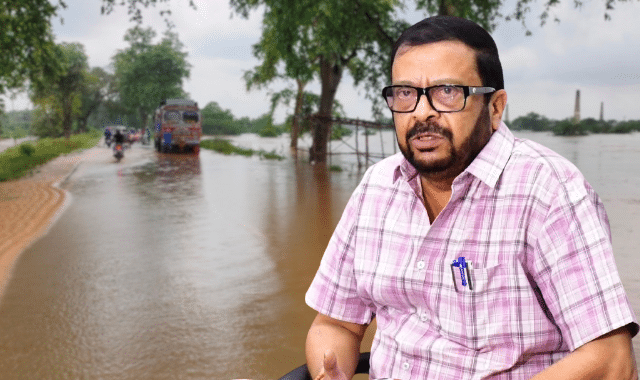
Addressing a press conference on Saturday, Revenue and Disaster Management Minister Suresh Pujari attributed this milestone to proactive planning, seamless inter-departmental coordination, and the dedicated efforts of ground-level responders.
Minister Pujari extended his gratitude to Chief Minister Mohan Charan Majhi for personally monitoring the situation and guiding disaster management operations throughout the crisis. He also lauded the tireless work of elected representatives, the Chief Secretary, the Special Relief Commissioner (SRC), District Collectors, ODRAF, NDRF, Fire Services, Forest Development Corporation, Anganwadi and ASHA workers, social workers, and the media for timely information dissemination and public awareness.
Swift Relief and Protection for Farmers
Addressing concerns over agricultural damage, the Minister assured farmers not to panic over crop losses or rainwater-soaked paddy reported in several pockets. Senior officials will be deployed for field visits to conduct accurate damage assessments.
“Farmers will receive input subsidies strictly as per SDRF and NDRF guidelines, and steps are being taken to ensure insured farmers get their crop insurance claims settled at the earliest,” Pujari stated. He added that the government is also making arrangements to dry and protect harvested paddy damaged by rain, ensuring no farmer is left without support.
Long-Term Roadmap for 8 River Systems
Looking beyond immediate relief, the Odisha government is pivoting toward permanent disaster mitigation. Taking serious note of recurring flood challenges in Ganjam and coastal river basins, the state will soon convene high-level review meetings focusing on eight major river systems—including the Mahanadi, Rengali reservoir system, Brahmani, Baitarani, and Rushikulya basins.
Officials from the Water Resources Department, Revenue and Disaster Management Department, and administrations of flood-prone districts—specifically Balasore, Bhadrak, Jajpur, Kendrapara, Jagatsinghpur, and Ganjam—will participate in these deliberations. The Odisha State Disaster Management Authority (OSDMA) has been directed to conduct a comprehensive post-flood review.
Scientific Approach to Disaster Resilience
Using historical disaster data, the upcoming action plan will pinpoint weak embankments, drainage bottlenecks, and infrastructure gaps. To ensure scientific and durable solutions, the state plans to collaborate with premier technical and research institutions, including the Indian Institutes of Technology (IITs).
“Frequent cyclones and floods don’t just damage crops and homes; they disrupt education and stall developmental projects,” Pujari noted. “With changing weather patterns, we are committed to building a resilient, scientifically backed roadmap to minimise future devastation.”