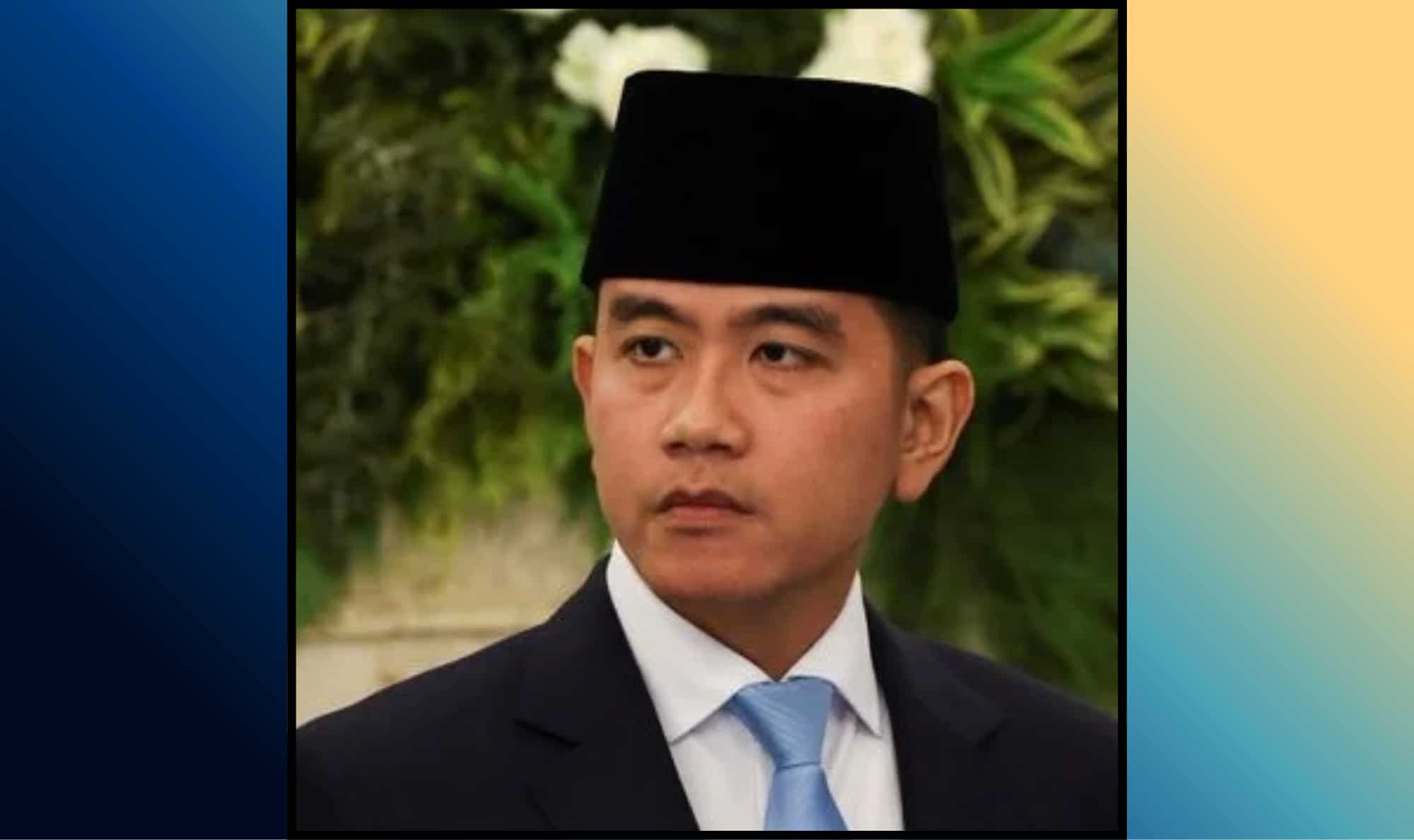
Indonesian Vice President Gibran Rakabuming Raka has tendered his resignation amid an escalating political and legal crisis over his educational credentials, throwing Southeast Asia’s largest economy into fresh political uncertainty.
The 39-year-old vice president—and eldest son of former President Joko “Jokowi” Widodo—submitted his formal resignation letter to the leadership of the People’s Consultative Assembly (MPR) following days of intense speculation and a closed-door meeting with President Prabowo Subianto. The move came just hours before a scheduled parliamentary plenary session to debate an impeachment motion backed by roughly 120 lawmakers across eight political parties.
A Battle Over Eligibility
Gibran’s dramatic exit follows two landmark court rulings last month that undermined his constitutional eligibility to hold office. Under Indonesian election law, presidential and vice-presidential candidates must hold at least a senior high school diploma or a legally recognised equivalent.
While Gibran studied abroad in Singapore and completed a university pathway program in Australia, both the Constitutional Court and the Supreme Court issued rulings in October indicating that the government-issued equivalency certificate he submitted for the 2024 election failed to meet statutory requirements. The Supreme Court’s decision to invalidate the certificate triggered street protests in Jakarta and galvanised cross-party opposition in the House of Representatives.
Gibran has consistently defended his academic record, arguing that his subsequent university studies abroad prove he met secondary education standards. Earlier this week, after a two-and-a-half-hour meeting with Prabowo, Gibran initially indicated he would pursue a judicial review. However, as parliamentary momentum toward impeachment accelerated, he opted to step down to avoid what he described as a prolonged political dispute.
Strain on the Prabowo–Jokowi Alliance
Beyond the legal technicalities, Gibran’s departure highlights deepening fractures between President Prabowo and his predecessor, Joko Widodo.
Prabowo’s landslide victory in 2024 relied heavily on Widodo’s political backing and the inclusion of Gibran on the ticket—a candidacy made possible only after a controversial 2023 Constitutional Court ruling lowered the minimum age threshold for regional leaders. Recently, however, ties between the two camps have visibly frayed, compounded by last week’s high-profile arrest of a Widodo-aligned presidential aide and former police officials over alleged wiretapping of the president.
What Happens Next
Under Indonesia’s Constitution, a vice-presidential vacancy does not trigger a general election. Instead, the Upper House has three days to formally approve Gibran’s resignation. Once confirmed, President Prabowo has up to 60 days to nominate two candidates, from whom the People’s Consultative Assembly will elect a new vice president.
Political analysts warn that the selection process will be a critical test of Prabowo’s coalition management as he balances competing demands from party elites while trying to project stability to domestic and foreign investors.